If you are deciding between a condo and a home in Mountain Village, you are not just choosing a floor plan. You are choosing how you want to live in a resort community where gondola access, walkability, maintenance, and rental rules can shape your day-to-day experience as much as square footage. The good news is that a clear decision usually comes from matching the property type to your lifestyle, goals, and tolerance for ownership responsibilities. Let’s dive in.
Why property type matters in Mountain Village
Mountain Village works differently than many other mountain markets. It is built around a pedestrian-friendly village core, and the free gondola is part of everyday transportation between Mountain Village and Telluride.
That means location and access can matter just as much as whether you buy a condo or a detached home. A well-placed condo near the gondola may offer a more convenient resort lifestyle than a larger home farther from transit, while a home near the core can still deliver a strong base-area feel.
The local rental environment also plays a bigger role here than many buyers expect. Mountain Village’s 2022 Comprehensive Plan notes that short-term rentals made up a meaningful share of the housing stock in 2021, and that guest-rental activity had expanded into single-family homes as well.
Why condos appeal in Mountain Village
For many buyers, a condo fits the way they want to use Mountain Village. If you want a place that feels easy to arrive at, easy to lock up, and closely tied to the village experience, a condo can be a strong match.
Condos also tend to line up well with the community’s transit-oriented layout. In a pedestrian-friendly setting with gondola access at the center of mobility, a condo near the village core can make skiing, dining, and getting around feel simpler and more efficient.
Condo benefits to consider
A condo may be the right fit if you value:
- Lock-and-leave convenience for seasonal or second-home use
- Less direct exterior maintenance than you may have with a detached home
- Proximity to the gondola, village core, and resort amenities
- A more predictable day-to-day ownership routine
- Shared building operations that can reduce the need to manage every property detail yourself
In Colorado, condos are usually part of a common-interest community governed by CCIOA. That means an association typically manages common elements and collects assessments to fund operating costs.
According to Colorado Division of Real Estate guidance, those assessments may cover items such as maintenance, landscaping, insurance, legal fees, registration fees, and other operating expenses. For you as a buyer, that makes the HOA a major part of the ownership picture.
Condo tradeoffs to watch
The convenience of condo ownership comes with structure and oversight. You may have less autonomy over building rules, common-area decisions, and association spending.
You should also look closely at the association’s financial health. Colorado guidance points buyers toward reserve policies, regular assessments, and the practical role of insurance and operating budgets in common-interest communities.
That is why condo due diligence in Mountain Village should go beyond finishes and views. You also want to understand how the association is run and whether there is any history of special assessments.
Why single-family homes appeal in Mountain Village
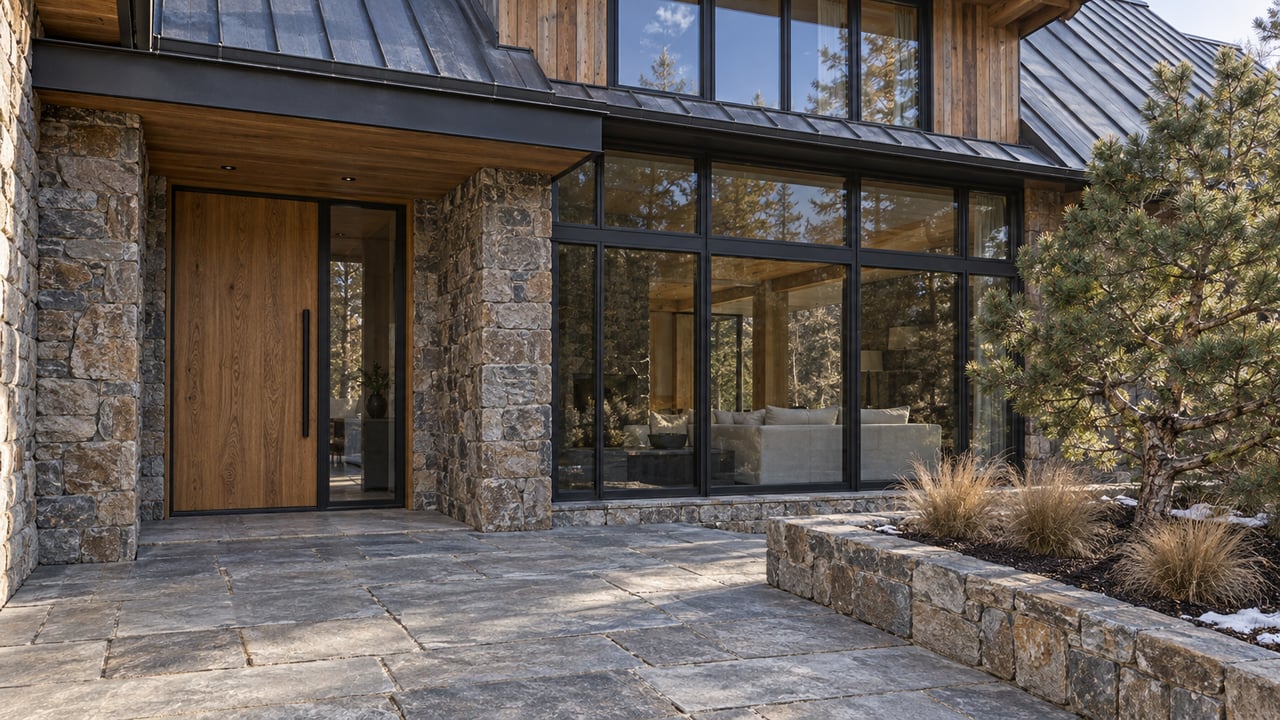
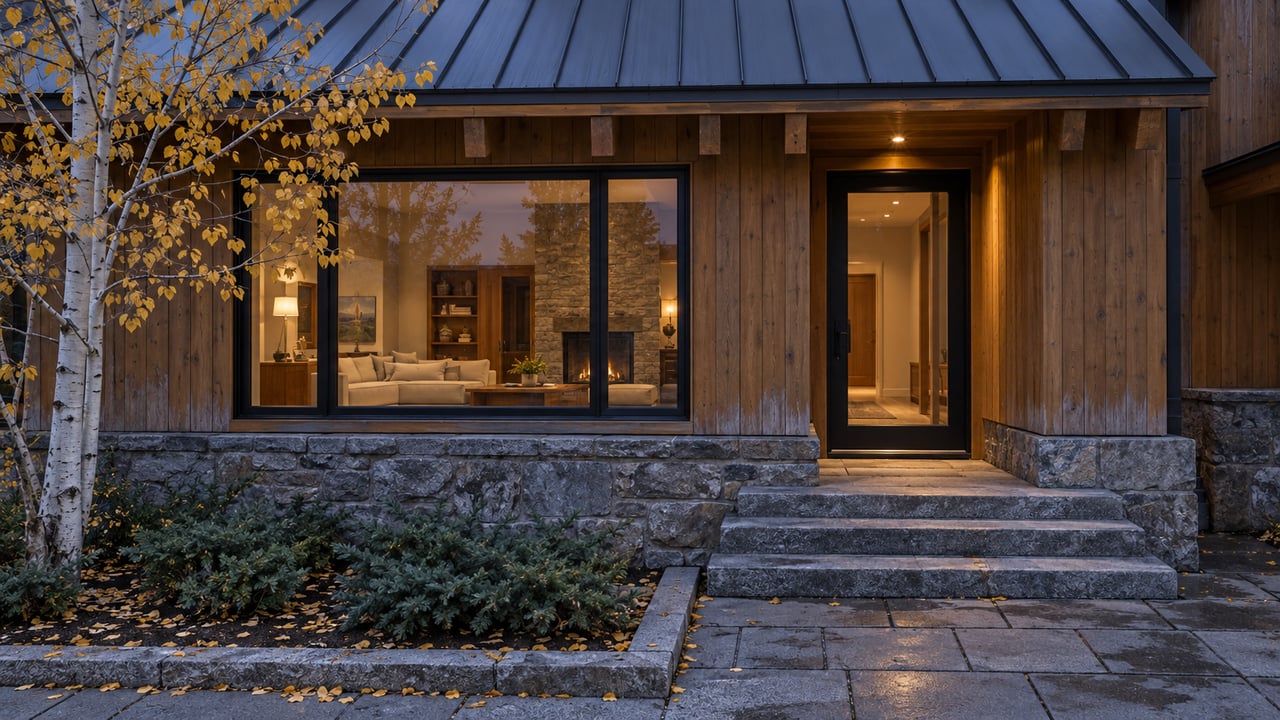
A detached home often attracts buyers who want more privacy, more flexibility, and a more residential feel. If your vision of mountain living includes more separation, more storage, and greater control over your space, a home may be the better fit.
That said, not every home in Mountain Village lives the same way. Because the town’s mobility system relies on the gondola and neighborhood bus service, convenience can vary a lot by address.
Home benefits to consider
A single-family home may be the better choice if you want:
- More privacy than a shared building usually offers
- More room for storage and outdoor use
- Greater flexibility in how the property feels and functions
- A more residential long-term base for full-time living or extended stays
- More opportunity for customization, depending on governing documents and site conditions
For some buyers, that added space and control are worth the added responsibility. A home can feel more personal, more independent, and better suited to long-term use.
Home tradeoffs to watch
The biggest difference is often maintenance. If the property is outside a full-service association, you may be more directly responsible for exterior upkeep and seasonal tasks.
Even so, a detached home is not always free of HOA structure. Some homes are still part of associations governed under CCIOA, which can mean shared responsibilities, rules, or assessments depending on the governing documents.
That is why you should never assume a detached home automatically means simple ownership or complete freedom. In Mountain Village, the exact property setup matters.
Rental rules matter for both property types
If rental income is part of your thinking, do not treat condos and homes as automatically allowed or disallowed. In Mountain Village, the better question is whether the specific property works for your intended use under local rules and governing documents.
Town materials define short-term accommodation as occupancy of less than 30 days. They also state that short-term rentals are subject to the Town’s sales tax and business-license ordinances.
That matters whether you are considering a condo or a home. The Town’s 2022 Comprehensive Plan specifically notes that short-term rental activity had expanded into single-family homes, which shows that homes can participate in the market, but only if the specific rules allow it.
What to verify before you buy for rental use
Before you assume a property can function as a rental, verify:
- Whether short-term rentals are allowed at that property
- Any HOA or covenant restrictions
- Minimum stay requirements
- Town licensing and tax compliance obligations
- Whether the ownership structure fits your intended use
In a market like Mountain Village, rental potential is not just about demand. It is also about compliance, restrictions, and how much operational complexity you are willing to take on.
A simple framework for deciding
For most buyers, the right choice becomes clearer when you start with how you plan to use the property. Mountain Village supports several ownership styles, but each points toward a different best fit.
If you want a second home
A condo is often the strongest fit when your top priorities are convenience, ski access, and a simple lock-and-leave setup. If you expect to come and go seasonally, that easier ownership profile can be very appealing.
A home can still work well as a second home, especially if privacy and more generous living space matter most to you. The tradeoff is that you need to evaluate maintenance and access more carefully.
If you plan to live there full time
A home may be more attractive if you want more space, storage, outdoor use, and a more residential feel. Full-time living often brings different needs than seasonal use.
That said, some buyers still prefer condos for convenience, especially if they want to stay close to the village core and reduce direct maintenance demands. The right answer depends on your routine, not just the label on the property.
If you are focused on investment or legacy value
The deciding issue is usually not condo versus home in the abstract. It is whether the specific property is allowed to operate the way you intend under town rules, covenants, and HOA documents.
That is especially important in Mountain Village, where the short-term rental market is a meaningful part of the housing landscape. You want to evaluate use, compliance burden, and carrying costs before you focus on income projections.
Due diligence checklist for either option
Whether you lean toward a condo or a home, these questions can help you compare properties more clearly:
- How close is the property to the gondola or neighborhood transit?
- Who handles roofs, exteriors, snow removal, and common areas?
- If there is an HOA, what do the budget and reserve policy look like?
- Is there any history of special assessments?
- What rental rules apply to this specific property?
- Is your goal seasonal use, full-time living, or income generation?
In Mountain Village, these details often matter more than broad assumptions about property type. A well-chosen condo can outperform a poorly matched home for lifestyle fit, and the reverse is just as true.
The best choice comes down to fit
There is no universal winner between condos and homes in Mountain Village. The better option is the one that fits how you want to spend your time here, how hands-on you want to be, and what you need from the property over the long term.
If you want convenience, proximity, and a more turnkey resort experience, a condo often makes sense. If you want privacy, flexibility, and a more residential base, a single-family home may be the stronger match.
In a market as nuanced as Mountain Village, that decision is usually best made with local context in mind. If you want help weighing access, HOA structure, ownership responsibilities, and lifestyle fit, Hilbert Homes can help you sort through the tradeoffs and find the right path forward.
FAQs
What is the main difference between a condo and a home in Mountain Village?
- A condo usually offers a more turnkey, lock-and-leave ownership experience, while a home usually offers more privacy, space, and flexibility.
Are condos in Mountain Village easier to manage than homes?
- Often, yes. Condo ownership commonly includes shared maintenance through an HOA, but you should still review the association’s budget, reserves, and assessment history.
Can a single-family home in Mountain Village be used as a short-term rental?
- Possibly, but you need to verify the specific property’s town rules, covenants, HOA restrictions, and licensing requirements before assuming that use is allowed.
How does gondola access affect a Mountain Village property decision?
- Gondola and transit access can strongly shape convenience, so the exact address may matter as much as the property type when you compare homes and condos.
What should buyers review before purchasing a condo in Mountain Village?
- Review the HOA budget, reserve policy, assessments, insurance structure, maintenance responsibilities, and any rental restrictions tied to the property.
What should buyers review before purchasing a home in Mountain Village?
- Review maintenance responsibilities, any HOA or covenant rules, rental restrictions, and how the specific location connects to the gondola and neighborhood transit system.