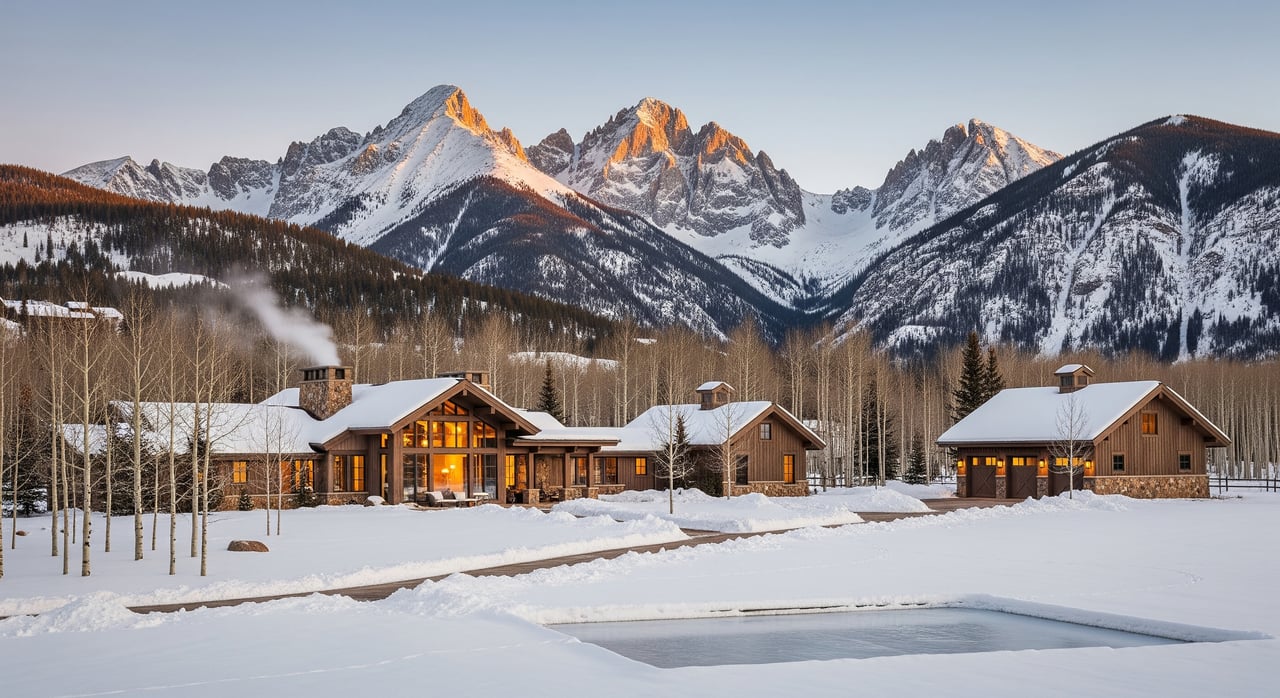
Eyeing a home in Ski Ranches and wondering what it really costs to own? You’re not alone. In mountain communities near Telluride, your monthly payment is only part of the story. From snow removal to insurance, there are unique line items to plan for so you can buy with confidence. In this guide, you’ll see the key costs, what drives them in San Miguel County, and practical steps to build a realistic budget. Let’s dive in.
Total ownership at a glance
Owning in Ski Ranches includes more private services than a typical suburban neighborhood. You may handle your own driveway plowing, road upkeep shares, private well and septic, and sometimes higher insurance due to wildfire risk. Costs can vary widely by property and services, which is why document review and local quotes are essential.
Your recurring costs in Ski Ranches
Property taxes and special districts
Property taxes are driven by your assessed value and mill levies for the county, schools, fire protection, and other districts. In San Miguel County, these can vary by parcel. Review the seller’s current tax bill and check records with the County Assessor and Treasurer to understand the full picture. Do not assume statewide averages match local rates.
HOA or road association dues
If your parcel participates in an HOA or road association, dues may cover private road plowing and grading, trash, shared water systems, common‑area insurance, and reserves. Amounts range widely based on services and reserve health. Ask for the HOA budget, reserve study, recent meeting minutes, and any history of special assessments.
Homeowners and hazard insurance
Premiums depend on replacement cost, construction type, roof, and wildfire exposure. In Colorado’s mountain areas, insurers have tightened underwriting and may require defensible space or home hardening. Get the current declarations page and talk with a local broker early to confirm insurability and likely premiums for a comparable home.
Utilities and fuel
- Electricity: In the Telluride region, San Miguel Power Association serves many properties. Usage rises with electric heating and hot‑water demand.
- Propane or wood: Many homes rely on propane or wood for primary or backup heat. Delivery schedules, tank size, insulation, and winter severity influence costs.
- Water and sewer: Private wells and septic systems are common. Budget for testing, pump maintenance, and septic pumping every few years.
- Trash and recycling: Often handled by county or private haulers; frequency and distance affect pricing.
Snow removal and road/driveway care
Plan for driveway plowing, shoveling, and sometimes roof raking to prevent ice dams. You may pay per visit during storms or choose a seasonal contract. Gravel driveways may need periodic grading, culvert clearing, and fresh rock after freeze‑thaw cycles.
Onsite systems and routine maintenance
Expect recurring care for septic, well, HVAC, and chimneys if you use a woodstove. Keep records of inspections, pumping, and water testing. Replacements like well pumps or septic components can be occasional but higher‑ticket items.
Communications and monitoring
Wired broadband can be limited. Many owners use satellite or fixed wireless, which can cost more than urban service. Cell coverage may be spotty in mountain valleys, so some owners add boosters, monitored alarms, cameras, or smart automation for vacant periods.
Property management and rental costs
If you plan to rent short term, factor in management fees typically in the 20–40% range of gross rental income, plus cleaning, utilities, supplies, and lodging taxes. Local municipalities, including Telluride and Mountain Village, regulate short‑term rentals, so confirm permits and rules before you buy.
Reserves and special assessments
Small associations with private roads or shared water can levy one‑time assessments for major repairs. Always review reserve studies and ask about assessment history so you understand future risk.
What drives costs in San Miguel County
- Climate and elevation: Longer winters increase heating use, snow removal, and roof snow management.
- Wildfire and drought: Higher perceived risk affects insurance availability and rates; defensible space and materials matter.
- Private infrastructure: Many properties use private wells, septic, and roads, shifting costs from municipalities to owners.
- Access and logistics: Remote locations increase labor travel charges for deliveries and contractors.
- Special districts: Fire protection, water, or improvement districts can add levies. Review parcel records to confirm.
Due diligence: what to collect
From the seller or HOA
- HOA budget, reserve study, recent meeting minutes, and current assessment schedule.
- Contracts for snow removal, road maintenance, water/sewer operations, and trash.
- Last 12 months of utility bills for electricity, propane, water/sewer, and trash.
- Insurance declarations page and claims history for the past 5–10 years.
- Septic inspection and pumping receipts; well logs and recent water quality/flow tests.
- Invoices for road repairs, regrading, gravel, or culvert work.
- Any violations, liens, or pending special assessments.
- Short‑term rental permits or restrictions, if applicable.
- Title exceptions related to road easements or maintenance agreements.
From vendors and insurers
- Insurance quotes and whether any carriers have nonrenewed nearby properties due to wildfire risk.
- Snowplow frequency and response times after heavy storms on the private road network.
- HOA assessment history and what triggered any past special assessments.
- Typical winter fuel consumption for a similar home and elevation.
- Broadband availability, providers, and speeds at the parcel.
Budget examples for Ski Ranches homes
The examples below are illustrative ranges for a detached home under Telluride‑area mountain conditions. Actual costs depend on your parcel, home specs, and service choices.
Scenario A: Full‑time owner (year‑round)
- Property taxes: $8,000–$15,000/year
- Homeowners/hazard insurance: $2,000–$6,000/year
- HOA/road association dues: $0–$6,000/year
- Electricity, water, septic maintenance, trash: $1,200–$4,800/year
- Heating fuel (propane/wood): $800–$4,000/year
- Snow removal and driveway maintenance: $1,000–$4,000/year
- Drive/road grading and gravel: $300–$2,000/year
- Internet and phone: $1,000–$2,000/year
- Routine maintenance (HVAC, chimney, septic reserve): $1,000–$3,000/year
Total illustrative range: $15,300–$41,800+ per year
Scenario B: Second‑home (no short‑term rental)
- Property taxes: $8,000–$15,000/year
- Homeowners/hazard insurance: $2,100–$6,500/year
- HOA/road association dues: $0–$6,000/year
- Utilities with limited use: $600–$3,000/year
- Heating/freeze protection: $600–$2,500/year
- Snow removal and property checks: $1,200–$6,000/year
- Property management/caretaking: $1,500–$6,000/year
- Internet, security monitoring, automation: $1,200–$3,000/year
- Routine maintenance/reserves: $1,000–$3,000/year
Total illustrative range: $15,200–$46,500+ per year
If you plan to rent short term, add management fees of 20–40% of gross rental income, plus more frequent cleaning, utilities, and lodging taxes. Income can offset costs, but it adds variability and wear.
Smart ways to reduce surprises
- Gather the paperwork: Get 12 months of utility bills, the insurance declarations page, and the HOA budget and reserve study. Review special assessment history.
- Price your winter: Obtain a seasonal snow removal quote for your driveway and any private road shares. Ask about roof raking or ice‑dam services.
- Nail down insurance early: Speak with a local broker about wildfire exposure, required defensible space, and vacancy clauses if this will be a second home.
- Budget for reserves: Keep a contingency fund. A common guideline is 1–3% of property value annually for maintenance and capital repairs, adjusted to your risk tolerance.
- Prepare the home: Plan for pipe insulation, smart monitoring, and timely roof snow management to prevent costly emergencies.
Work with a local team that knows Ski Ranches
Every parcel in Ski Ranches is unique, from access and sun exposure to road arrangements and onsite systems. You deserve clear answers before you write an offer. Our team can help you interpret HOA documents, read parcel tax histories, and coordinate local quotes so your budget reflects real conditions on the ground.
If you’re considering a move in Ski Ranches or the surrounding communities, let’s talk through your plans and build a cost‑of‑ownership roadmap for your specific home. Connect with the father‑and‑son team at Hilbert Homes for a personal consultation.
FAQs
What are typical HOA or road dues in Ski Ranches?
- Dues vary widely based on services and reserves, ranging from minimal amounts in small associations to several thousand dollars where private roads, snow removal, and shared systems are maintained. Always review the current budget and reserve study.
How much should I budget for snow removal at a Ski Ranches home?
- Driveway snow removal commonly ranges from per‑visit fees to seasonal contracts of roughly $1,000–$10,000+ depending on driveway length, grade, and service level, with additional costs for roof raking or ice control.
What affects homeowners insurance costs near Telluride?
- Replacement cost, construction and roof type, and wildfire exposure drive premiums. Insurers may require defensible space or home hardening, and some carriers limit coverage in higher‑risk zones.
Are utilities higher for mountain homes with propane and wells?
- They can be. Electricity and heating fuel often run from several hundred to several thousand dollars per year, and private well and septic systems add periodic testing, pumping, and maintenance costs.
How do property taxes work in San Miguel County?
- Taxes depend on assessed value and local mill levies, including county, school, fire, and other districts. Review the property’s current tax bill and historical records to estimate your costs.
Can short‑term rentals offset ownership costs in Ski Ranches?
- Rental income can help but adds expenses such as 20–40% management fees, cleaning, utilities, and lodging taxes, plus local permitting and rules. Factor these into your budget and verify regulations first.