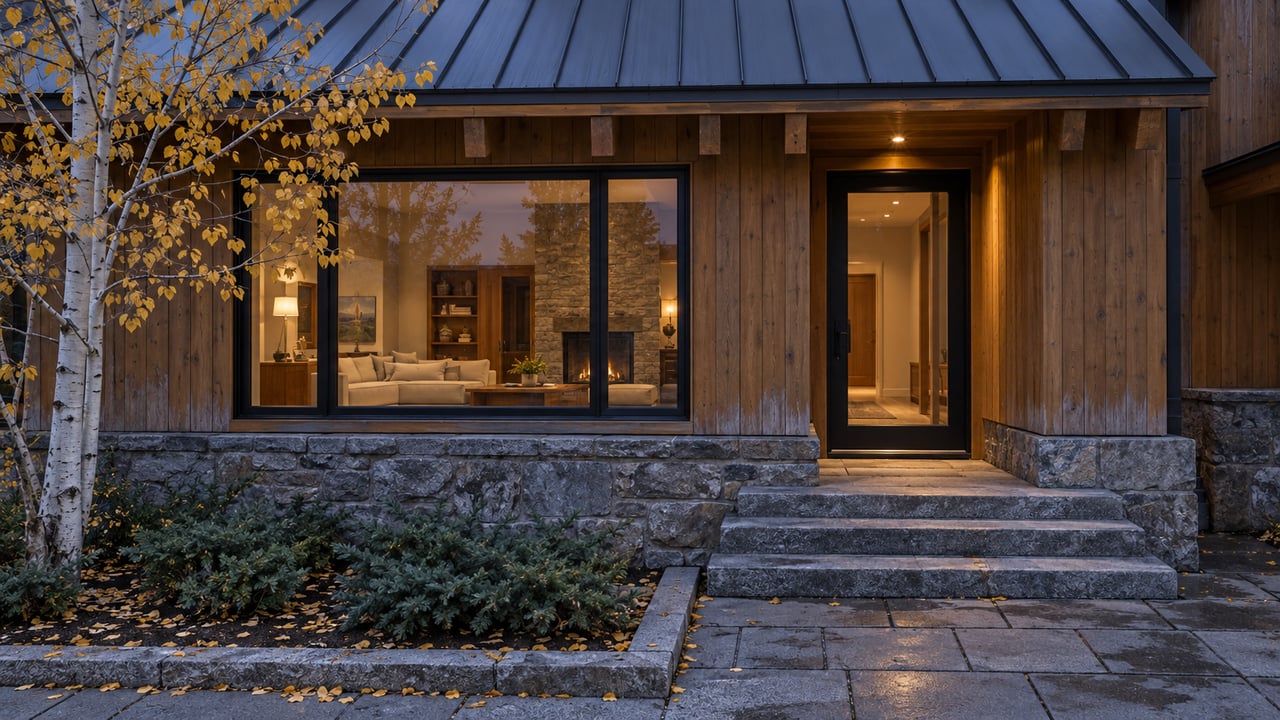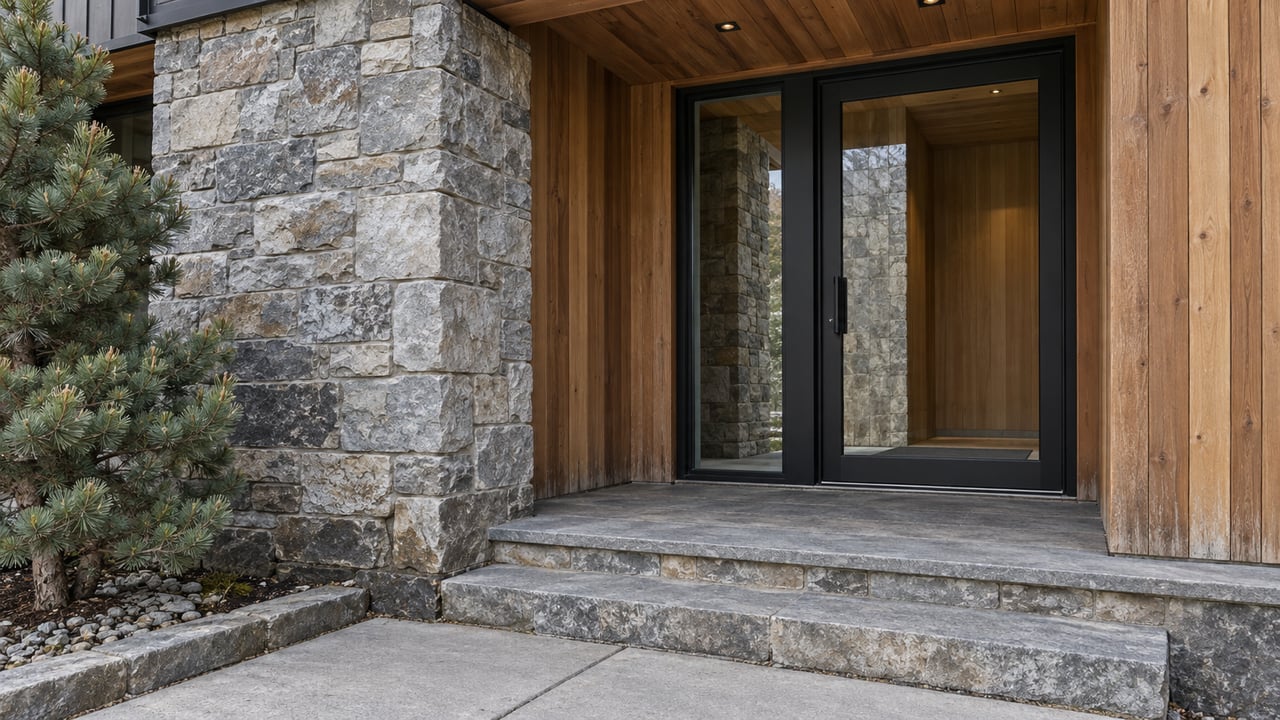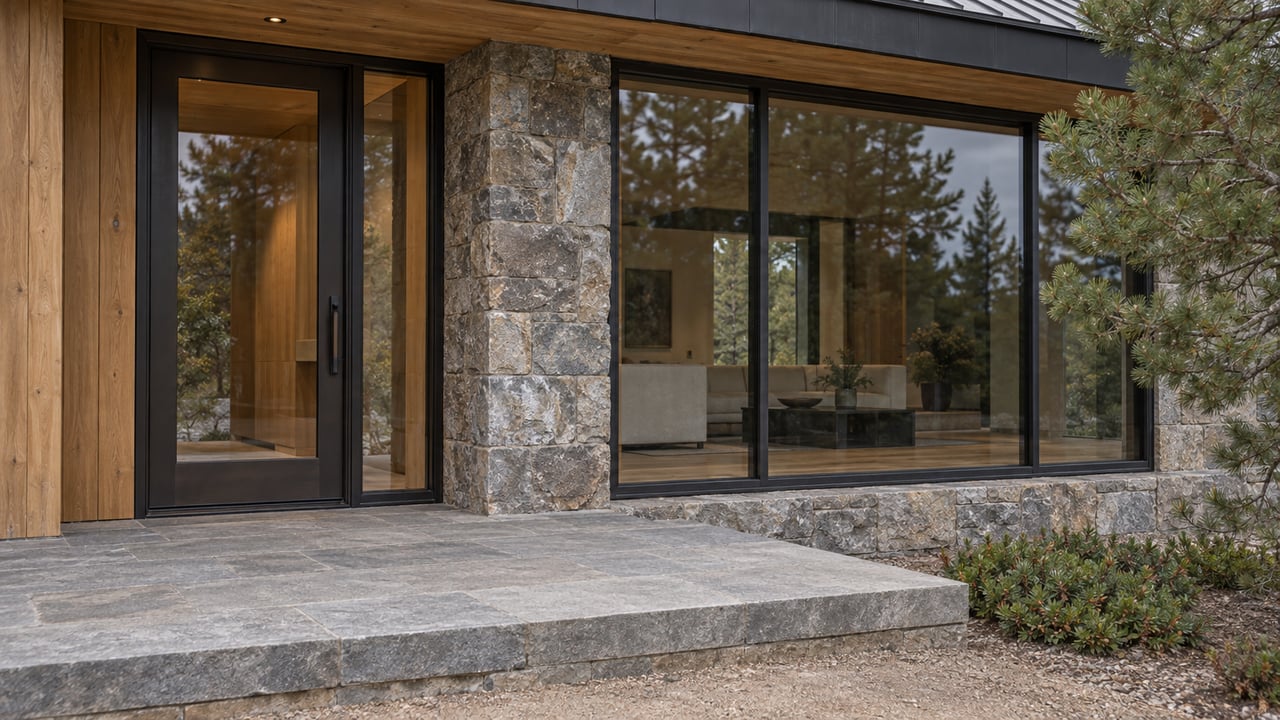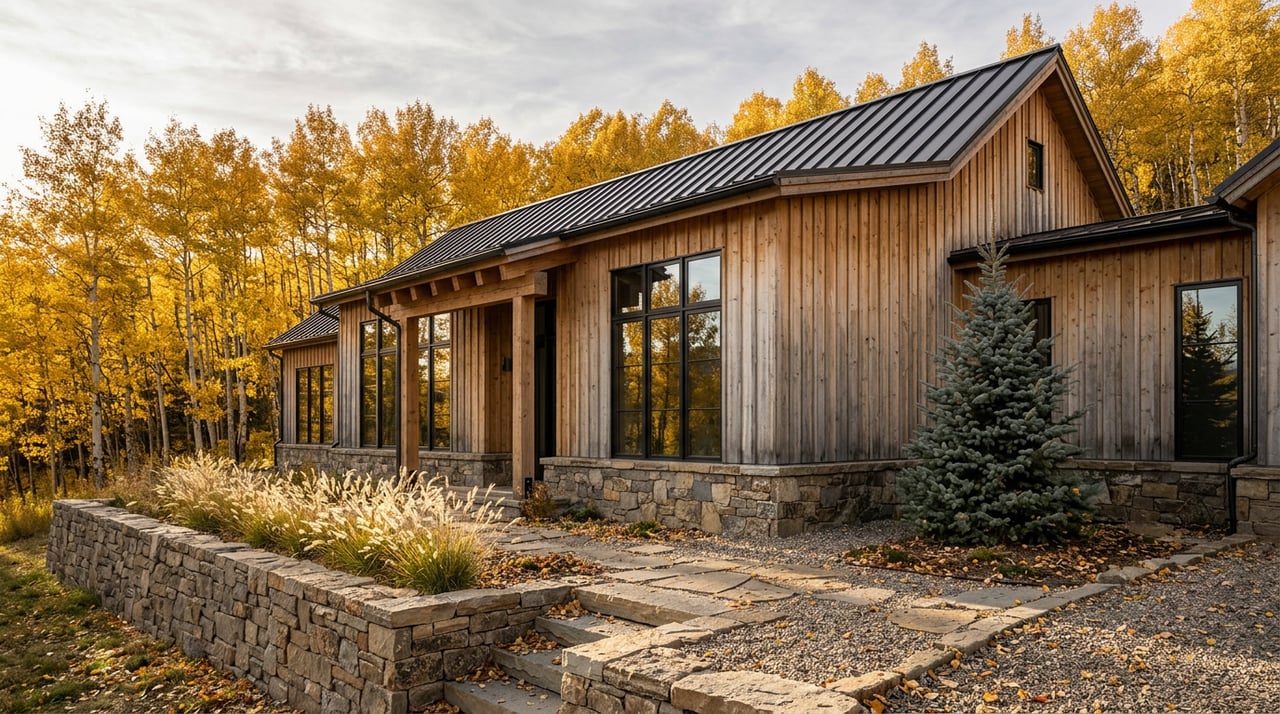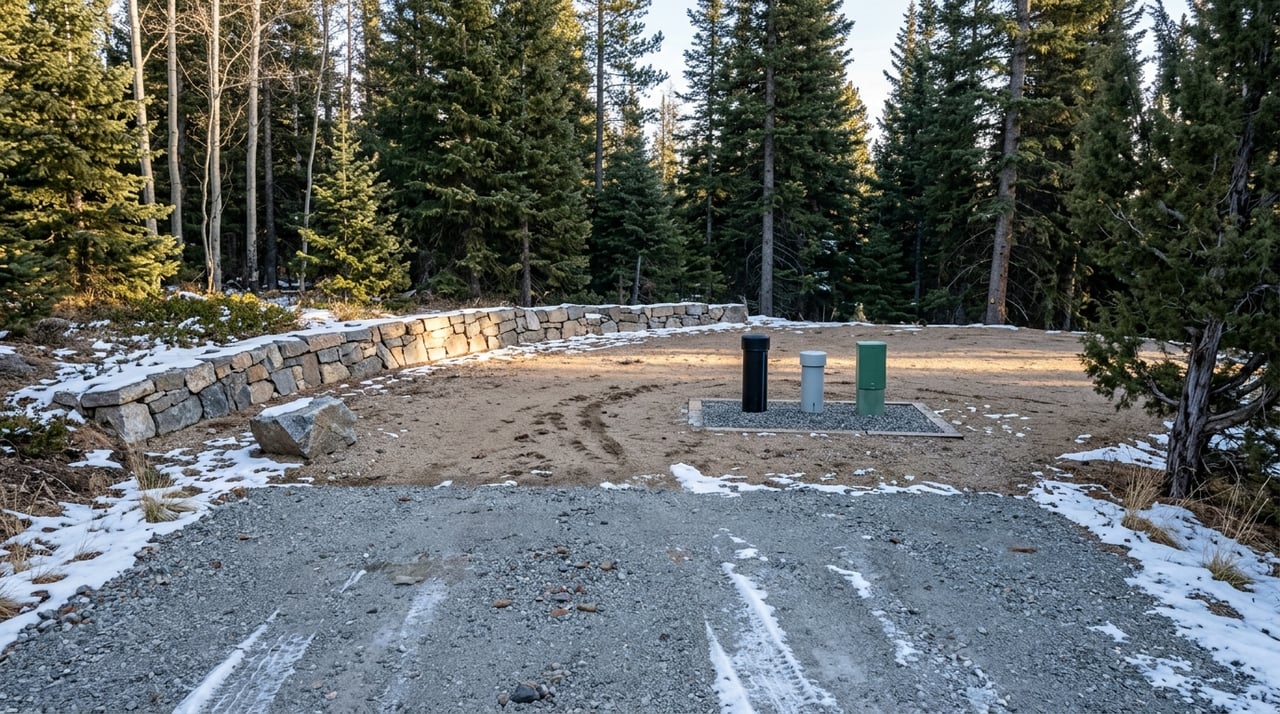
Buying land in The Preserve can be exciting, but it also calls for a more careful process than many buyers expect. In this part of San Miguel County, you are not just buying acreage. You are buying into a site-specific set of access, permitting, utility, and design questions that can affect what you build and how long the process takes. If you are considering a parcel here, this guide will help you focus on the details that matter most before you move forward. Let’s dive in.
Why The Preserve Requires Extra Due Diligence
The Preserve is known as a low-density land community in the Telluride area, with large parcels and limited existing development. That alone makes each lot feel more like a custom land project than a typical homesite. Instead of assuming one parcel works like the next, you will want to evaluate each property on its own terms.
That approach also lines up with San Miguel County’s land-use framework. The county’s Telluride-region land-use code uses tools like building envelopes and clustering to protect open space, wildlife habitat, and scenic foreground areas. For PUDR parcels, the code states that no development may occur until PUD approval is obtained for the parcel.
Start With Recorded Documents
Before you think too far ahead about house plans or views, start with the documents tied to the land itself. That means reviewing the recorded plat, easements, deed restrictions, and any amendments connected to the parcel. These records can shape what is allowed on the site and what obligations may come with ownership.
San Miguel County makes real property records available through the Clerk and Recorder, with documents dating from 1875 to the present. Because the county also notes that staff cannot provide legal advice, it is wise to have your title professional and any needed legal advisors help interpret what the recorded documents actually mean for your intended use.
Confirm Access Before You Assume Anything
Access is one of the first land questions to answer in The Preserve. Since the community is described as being on the west side of Highway 145, buyers should verify whether a parcel’s access is private, county-related, shared, or tied in some way to the state highway. This is not something to leave to assumption.
According to CDOT’s access permit guidance, any construction of access from private property to a Colorado state highway requires an access permit. CDOT also states that any project that constructs, relocates, closes, or modifies access to a state highway must go through its access-permit process.
As you review a parcel, ask practical questions such as:
- Is access shown on the plat or in a recorded easement?
- Is there a shared driveway, gate, culvert, or maintenance obligation?
- Who handles snow removal, drainage, and emergency access?
- Could any future driveway work trigger a permit review?
San Miguel County’s permit application guidance also points to Road & Bridge, Planning, OWTS, and Addressing as possible early steps depending on project scope. In other words, access can affect much more than how you enter the property.
Understand the Building Envelope
In a community like The Preserve, the buildable area on paper may matter just as much as the total acreage. A large lot does not always mean you can place a home anywhere you want. Building envelopes, setbacks, and parcel-specific restrictions often control where improvements can go.
San Miguel County’s land-use code emphasizes building envelopes as a way to protect sensitive open space, wildlife habitat, and scenic areas. That means one of the smartest early moves is to confirm the exact envelope location and review any plat notes before you estimate house size, guest structures, outdoor spaces, or driveway alignment.
Evaluate Septic Early
For many land buyers, septic is one of the biggest hidden variables. If a parcel will rely on an on-site wastewater treatment system, you will want to understand where that system can go and how it fits with the building envelope, topography, and site layout. Waiting too long on this step can lead to expensive redesigns.
San Miguel County’s OWTS program says that starting construction or modification of an on-site wastewater treatment system requires a Development Permit, a soil evaluation by a CPOW-certified soil technician, plans stamped by a Colorado Professional Engineer, and independent review with conditional approval of the proposed plans.
That process makes early feasibility work especially important. You will want to know whether the parcel can support the septic design you need and whether that solution still leaves enough workable area for the home, driveway, and other improvements.
Review Utilities and Site Feasibility
Raw land value is closely tied to what it takes to make the site functional. Even when a parcel looks straightforward, utility routing, grading, road work, and addressing can all shape timeline and budget. In mountain settings, those project details matter early.
The county’s permit center guidance notes that exterior building envelope changes, lot and parcel improvements, OWTS, road right-of-way work, and addressing can all be part of the approval sequence depending on the project. That is why land buyers often benefit from consulting a licensed surveyor or civil engineer, a septic professional, and a title professional before closing.
A few useful questions to work through include:
- Where would utilities enter or cross the parcel?
- Will grading or driveway work affect the build plan?
- Does the best home site still work after envelope limits and septic placement?
- Are there parcel improvements that may require county review before vertical construction begins?
Request HOA and Design Review Documents Early
If a parcel is subject to HOA oversight, those documents should be in your hands early, not after you hire an architect. Community rules can affect design review, exterior guidelines, and how plans move from concept to approval. That is especially important when you are buying land for a custom build.
A local HOA bookkeeping portal lists Telluride Preserve among its owner-managed HOA clients and notes that HOA documents are available only to owners or owner representatives. For buyers, that is a strong reason to request current CC&Rs, bylaws, design review rules, and any lot-specific materials through the seller, HOA, title company, or your agent as early as possible.
This step can help you avoid common surprises, including:
- Design review requirements that affect the timeline
- Rules that influence home siting or exterior elements
- Plat notes or use restrictions tied to a specific lot
- Maintenance or access obligations shared with other owners
Know the County’s Stewardship Priorities
The Preserve sits in a part of San Miguel County where land stewardship is an important part of planning. County rules are designed to preserve sensitive land, open space, habitat, and scenic approaches to Telluride. As a buyer, it helps to understand that these priorities are part of the development framework, not a side issue.
The county’s land-use code explains that development standards are intended to steer building away from highly visible areas and preserve a rural approach to Telluride. The code also states that trail easements can be required when a developer seeks final plat or rezoning approval. San Miguel County’s Open Space Commission also reflects the county’s broader commitment to protecting and sustaining trails and open spaces.
For you, the takeaway is simple: the parcel that works best is not always the one with the broadest apparent building area. It is the one where access, envelope, septic, utilities, and governing documents all line up with your goals.
A Smart Pre-Offer Checklist
If you are in the research stage, focus on a few core items before making assumptions about value or build potential:
- Pull the plat, easements, deed restrictions, and amendments
- Confirm legal and physical access to the parcel
- Review the exact building envelope and plat notes
- Investigate septic feasibility and early utility questions
- Request HOA governing documents and design review requirements
- Map out likely county permit steps based on your intended project team
This kind of due diligence can save time, money, and frustration later. It also helps you compare parcels more accurately, especially in a community where every site may present a different path to development.
Work With a Local Advisor Who Knows Land
Buying land in The Preserve is often less about finding a pretty parcel and more about understanding how the details fit together. Access, title, septic, envelopes, permits, and HOA review are all connected, and the right sequence matters. When those questions are handled early, you can move forward with much more confidence.
If you are considering land in The Preserve, Hilbert Homes can help you coordinate the local research process, from document review and HOA requests to connecting with the right consultants for a site-specific evaluation.
FAQs
What should you review before buying land in The Preserve?
- You should review the recorded plat, easements, deed restrictions, amendments, building envelope, access details, septic feasibility, and any HOA governing documents tied to the parcel.
Does land in The Preserve require septic review?
- Yes. If the parcel will use an on-site wastewater treatment system, San Miguel County requires a development permit, soil evaluation, engineered plans, and independent review as part of the process.
Can you assume a parcel in The Preserve has simple access?
- No. You should confirm whether access is private, shared, county-related, or connected to Highway 145, and whether any driveway or access changes may require permits.
Why does the building envelope matter when buying land in The Preserve?
- The building envelope can limit where you place a home and other improvements, even on a large parcel, so it should be confirmed before you estimate design options or build potential.
How can HOA documents affect land in The Preserve?
- HOA documents may set design review rules, use restrictions, and approval steps that affect your timeline, planning, and overall building strategy.