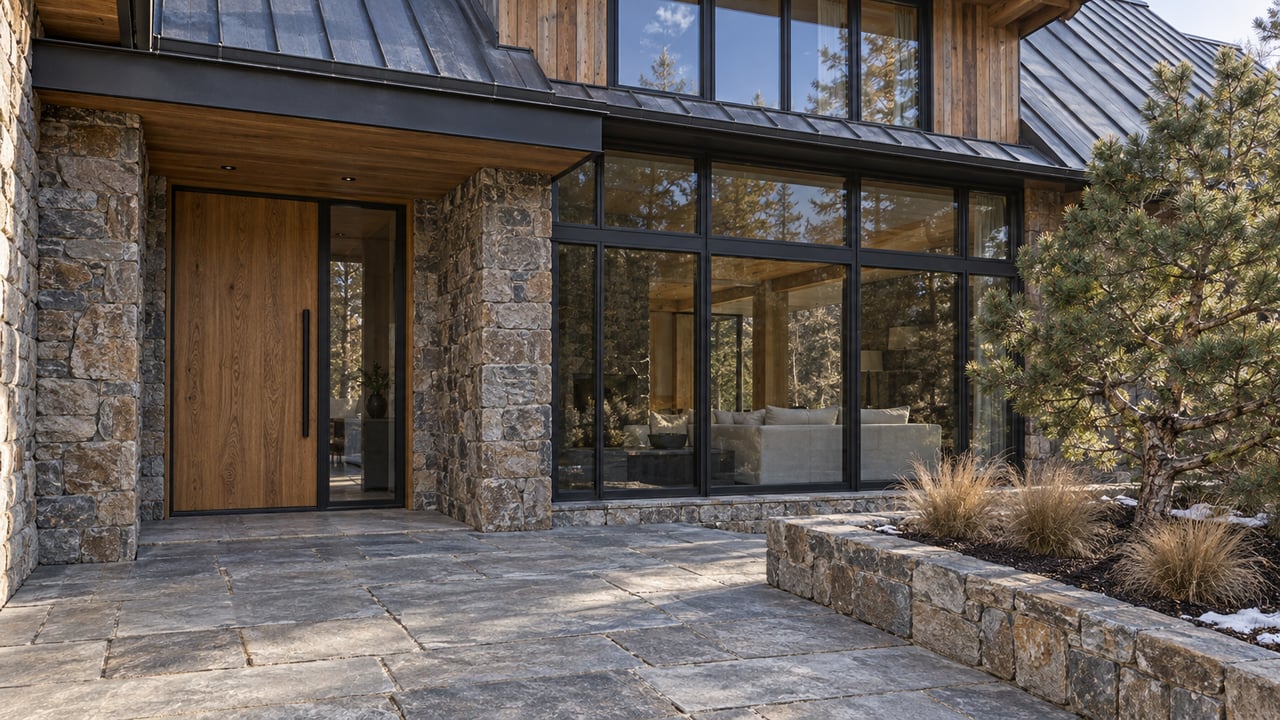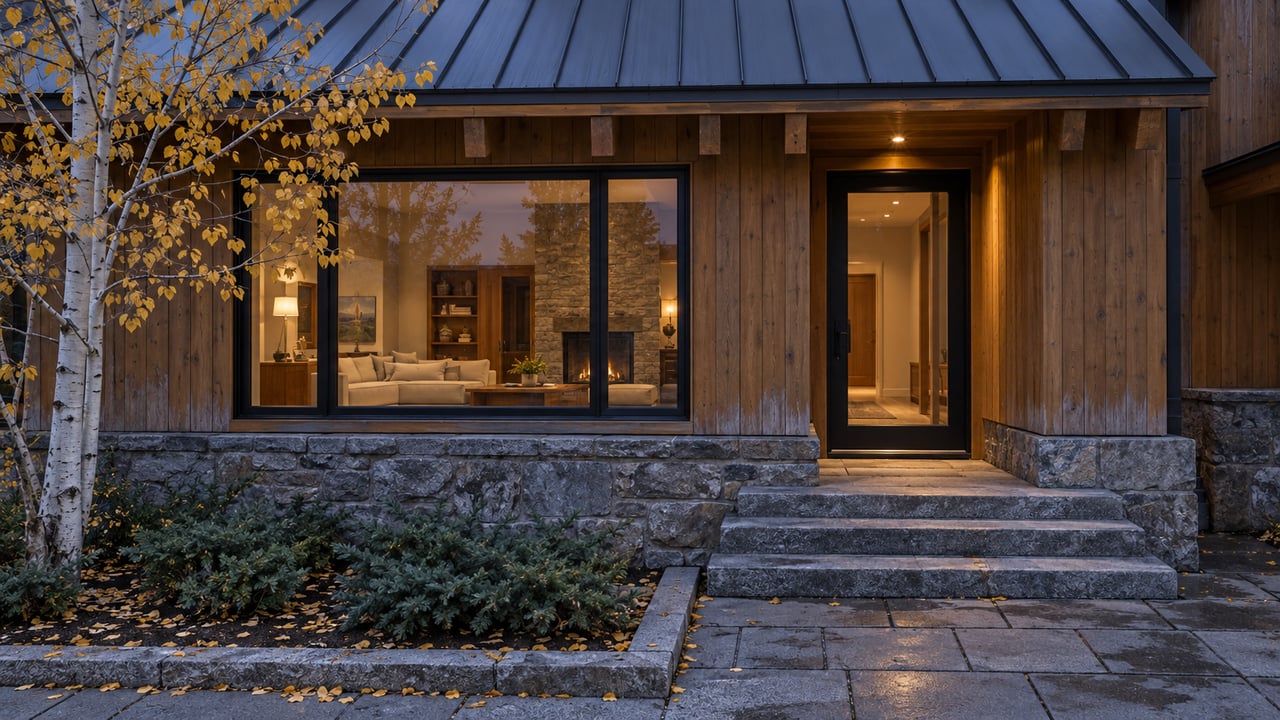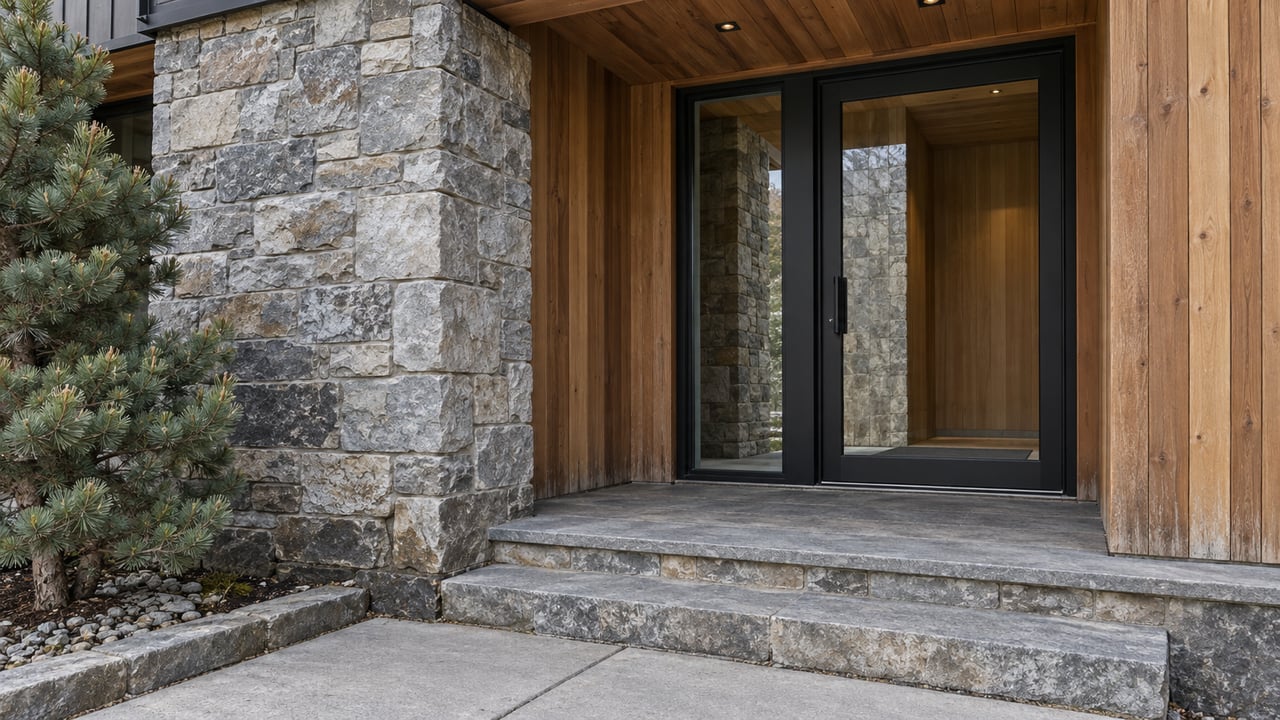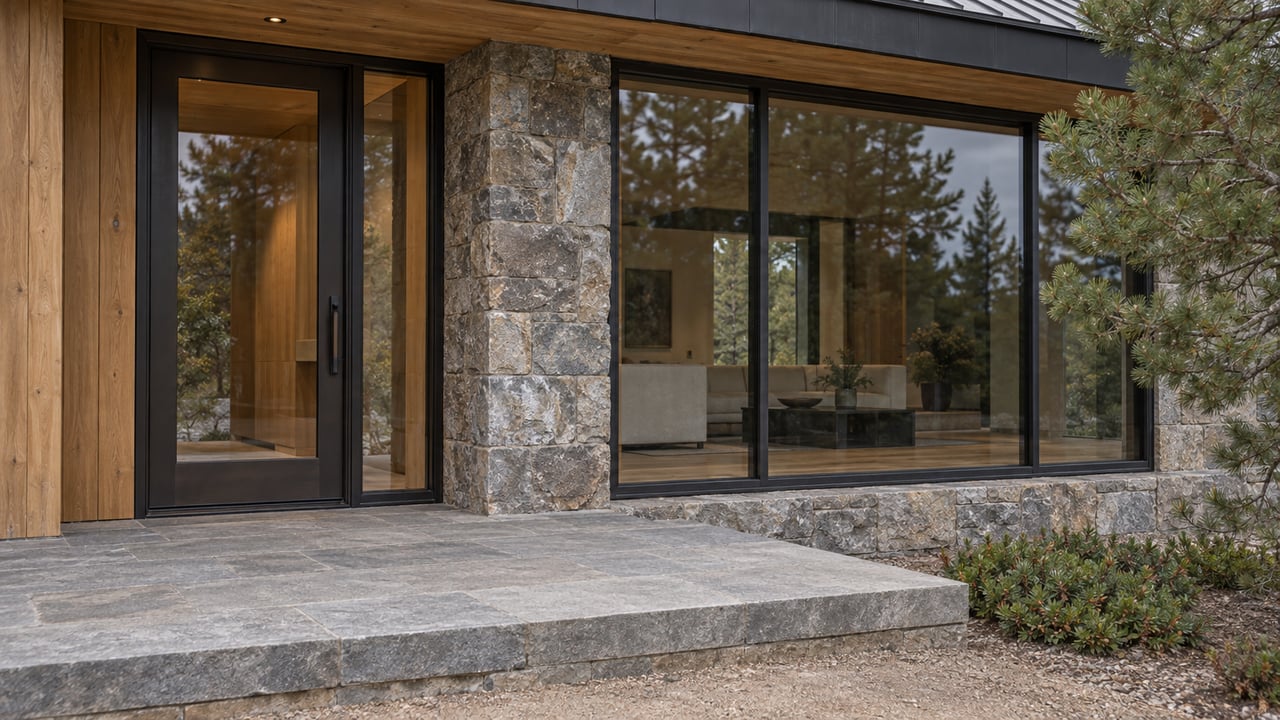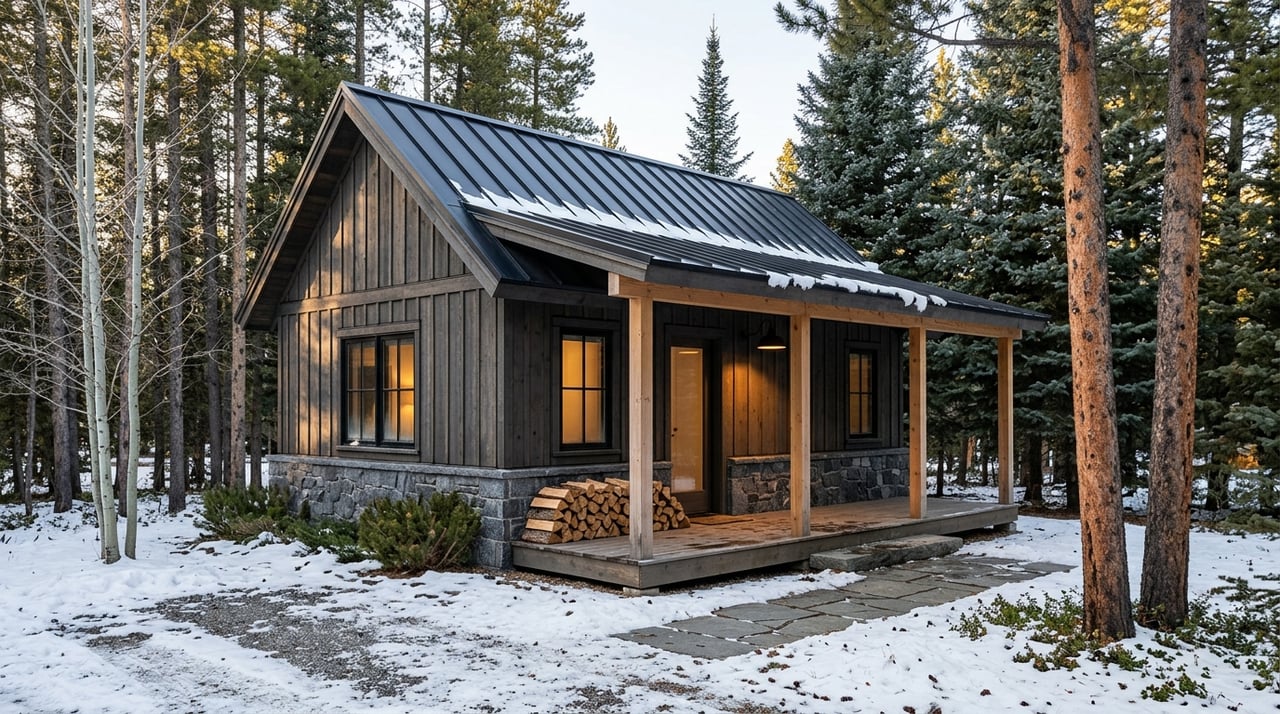
What does a mountain retreat look like when you want more quiet, more history, and more trail access than polish? In Rico, Colorado, a rustic cabin can offer exactly that kind of experience. If you are drawn to small-town mountain living near public lands and within reach of Telluride, this guide will help you understand what cabin ownership in Rico really involves. Let’s dive in.
Why Rico Appeals to Cabin Buyers
Rico stands apart from larger mountain destinations because its appeal is rooted in character, not scale. Colorado tourism information describes Rico as a rustic and historic former mining town with historic buildings along Main Street, a few restaurants, a motel, several B&Bs, and artists’ workshops and galleries.
That smaller footprint is a big part of the draw. Rico’s 2004 regional master plan described it as a traditional Colorado mountain town focused on preserving its small-scale character, with an elevation of about 8,800 feet, four distinct seasons, and significant winter snow. For many buyers, that creates the feeling of a true retreat rather than a resort-centered base.
What Daily Life in Rico Looks Like
If you picture a cabin in Rico, think practical mountain living with a handful of local essentials. The Town of Rico lists core amenities such as Town Hall, a public library, fire protection services, local trail stewardship, and a short list of Main Street businesses that include food, fuel, and restaurant options.
That matters because it sets realistic expectations. Rico supports a low-key lifestyle, but it is not trying to function like a full-service resort town. If you value simplicity, quiet, and a strong connection to the landscape, that may be exactly the point.
Outdoor Access Is the Main Amenity
For many buyers, the real reason to own a rustic cabin in Rico is what starts outside your door. The area’s appeal is tied closely to trail access, public lands, and a year-round outdoor rhythm rather than resort infrastructure.
The Rico Trails Alliance stewards trail systems in the upper Dolores watershed and also supports winter fat-bike grooming on Nordic trails east of town. Groomed distances vary from 4 to 7 miles depending on temperatures and snow conditions, which gives you a useful snapshot of how recreation here changes with the season.
The broader landscape adds to that base-camp feel. The Dolores Ranger District of the San Juan National Forest manages a large area of southwestern Colorado that stretches north to Lizard Head Pass, helping explain why Rico feels so connected to public lands.
Nearby recreation is varied and rugged. The Forest Service notes access to the Colorado Trail and Lizard Head Wilderness from the area around Cayton Campground, while state tourism sources highlight fishing in the Dolores River, hunting, and backcountry skiing around Rico. If your ideal property is less about nightlife and more about early trailheads, river days, and snow-season adventure, Rico fits that profile well.
Rico and Telluride: Close, But Different
One of Rico’s biggest strengths is its relationship to Telluride. You can enjoy a quieter mountain setting while remaining connected to one of Colorado’s best-known destination towns.
Colorado travel information on Telluride describes it as a year-round destination with boutiques, art galleries, restaurants, luxury hotels, festivals, and the free gondola between Telluride and Mountain Village. Rico sits on the same broader scenic corridor, and Rico’s master plan describes Telluride and Mountain Village as about 28 miles north over Lizard Head Pass.
That proximity can be appealing if you want a rustic home base with access to higher-service amenities. You may spend your time in Rico for the quiet and scenery, then head north for dining, events, or shopping.
Still, mountain distance is not always the same as city distance. CDOT winter advisories for CO 145 highlight winter maintenance and avalanche-mitigation work on the route between Rico and Telluride, including activity north of Rico. In practical terms, Telluride is nearby, but winter weather can affect how quickly and easily you get there.
The Seasonal Rhythm of Cabin Ownership
A rustic cabin in Rico is best understood as a four-season property with a strong seasonal pattern. Summer and winter each bring different benefits, and each asks something different of you as an owner.
Summer tends to support easy access to trails, river recreation, and campground activity. For example, the Forest Service notes that Cayton Campground is typically open from mid-May through September, which helps illustrate the warmer-weather recreation window in the area.
Winter can be beautiful and rewarding, but it requires planning. Rico’s master plan noted significant snow, spring runoff, and the possibility of road closures or power disruptions during severe storms. Even everyday town services reflect the seasonal rhythm, with the Rico Public Library using different summer and winter hours.
Rustic Does Not Mean Simple
This is one of the most important things to understand before buying a cabin in Rico. A rustic setting may look relaxed from the outside, but owning, renovating, or building in a mountain town often involves real infrastructure planning.
The Town of Rico building page requires building permits for all construction, excavation permits for utility and driveway work or larger soil disturbance, and septic permits for individual sewage disposal systems. Septic plans must be signed and stamped by a Colorado-licensed engineer.
Utility costs can also be significant. Rico publishes water tap fees ranging from $12,500 for a 3/4-inch tap to $86,000 for a 2-inch tap, plus a $1,500 installation fee. If you are comparing cabin properties, it is smart to look beyond the purchase price and evaluate the full cost of infrastructure, improvements, and utility access.
Soil and Site Work Matter in Rico
Another key ownership detail in Rico is the town’s lead-soil cleanup and redevelopment framework. This is especially important if you are considering landscaping, an addition, utility work, or any remodel that disturbs the ground.
According to the Town of Rico’s lead-soil voluntary cleanup information, property owners who disturb 1 cubic yard or more of soil may be subject to soil-management regulations. The town also notes that Atlantic Richfield covers incremental compliance costs under the program.
That does not mean cabin ownership is off-limits. It simply means site work can be more layered than buyers expect in other mountain communities. If you are planning changes to a property, local process and due diligence matter.
What to Look for in a Rico Cabin
If you are shopping for a rustic cabin retreat in Rico, focus on how the property supports the lifestyle you actually want. A beautiful setting is important, but function and logistics matter just as much.
Here are a few smart questions to keep in mind:
- How easy is year-round access to the property?
- What utilities are already in place?
- Is the home on an individual septic system, and what condition is it in?
- Will any planned improvements require excavation or soil management review?
- How close do you want to be to town services versus trail access or greater privacy?
- Are you comfortable with a quieter, more seasonal setting than Telluride offers?
These questions help you match the property to your expectations. In a place like Rico, the best fit is often the home that aligns with your habits, your tolerance for seasonal conditions, and your vision for ownership over time.
Who Rico Is Best For
Rico is not the right fit for every mountain buyer, and that is part of its appeal. It tends to work best for people who value authenticity, outdoor access, and a slower pace over convenience-driven resort living.
You may find Rico especially compelling if you want:
- A historic mountain-town setting
- Strong access to trails, wilderness, and public lands
- A quieter retreat within reach of Telluride
- A property that feels like a base camp for four-season recreation
- A cabin lifestyle that prioritizes simplicity and scenery
If you want walkable luxury retail, a dense restaurant scene, and instant access to full-service amenities every day, Telluride or Mountain Village may be a closer match. If you want a more rustic experience with a strong sense of place, Rico deserves a serious look.
Buying With a Local Lens
In a market like Rico, the right guidance goes beyond square footage and finishes. You benefit from working with an advisor who understands how mountain access, municipal processes, infrastructure, and lifestyle fit all shape long-term value.
That is especially true when you are comparing Rico to Telluride-area options. One property may offer more quiet and land access, while another may offer easier winter convenience or a different ownership profile. The best decision usually comes from balancing setting, logistics, and the way you plan to use the home.
If you are exploring mountain property in Rico or weighing it against Telluride-area alternatives, Hilbert Homes can help you think through the lifestyle details, property considerations, and local context that matter most.
FAQs
What is daily life like in Rico, Colorado for cabin owners?
- Rico offers a quieter mountain lifestyle with limited but practical local amenities, including Town Hall, a public library, fire protection services, trails access, food, fuel, and restaurant options.
How far is Rico from Telluride, Colorado?
- Rico’s regional planning documents describe Telluride and Mountain Village as about 28 miles north of town over Lizard Head Pass, though winter conditions can affect travel time.
What outdoor recreation is available near Rico, Colorado?
- Rico is known for trail access, Nordic and fat-bike routes, fishing in the Dolores River, backcountry skiing, hunting, and access to the Colorado Trail and Lizard Head Wilderness.
What permits may apply to a cabin in Rico, Colorado?
- Depending on the property and project, owners may need building permits, excavation permits, and septic permits, and septic plans must be signed by a Colorado-licensed engineer.
What should buyers know about soil disturbance in Rico, Colorado?
- Rico has a lead-soil voluntary cleanup and redevelopment program, and property owners disturbing 1 cubic yard or more of soil may need to follow soil-management regulations.
Is Rico, Colorado a resort town like Telluride?
- Rico is better understood as a rustic, historic mountain town with outdoor access and a seasonal base-camp feel rather than a full-service resort environment.