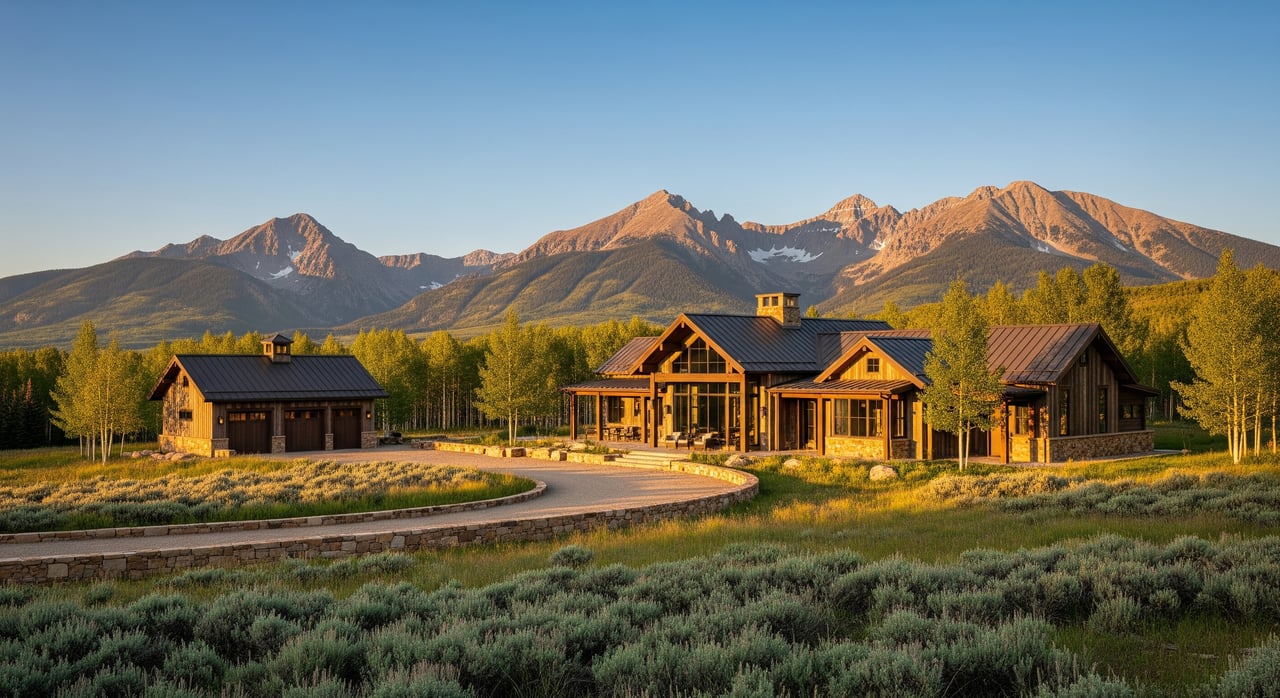
Considering Aldasoro Ranch for your Telluride‑area home? You want wide‑open views, privacy, and a design process that protects the landscape without slowing your plans. The HOA is central to that experience, from architectural approvals to view protections and long‑term maintenance. This guide shows you what to verify, how the process typically works, and the documents to request so you can move forward with confidence. Let’s dive in.
Aldasoro at a glance
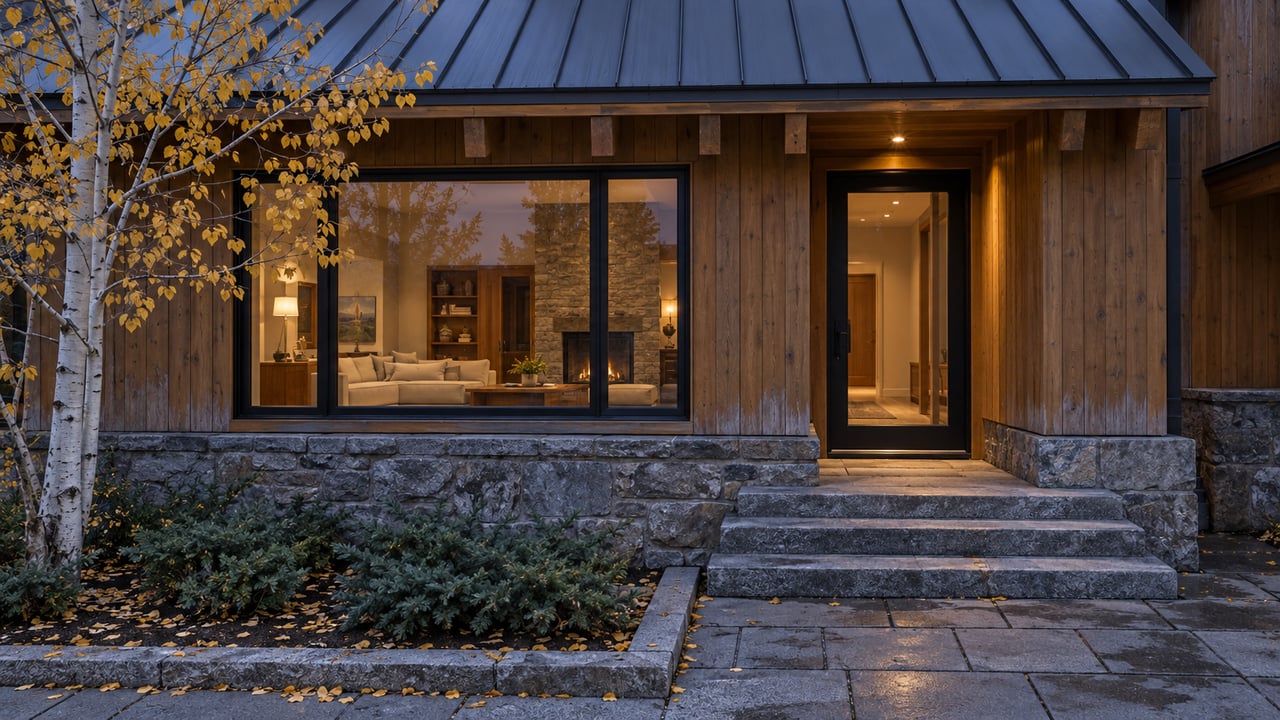
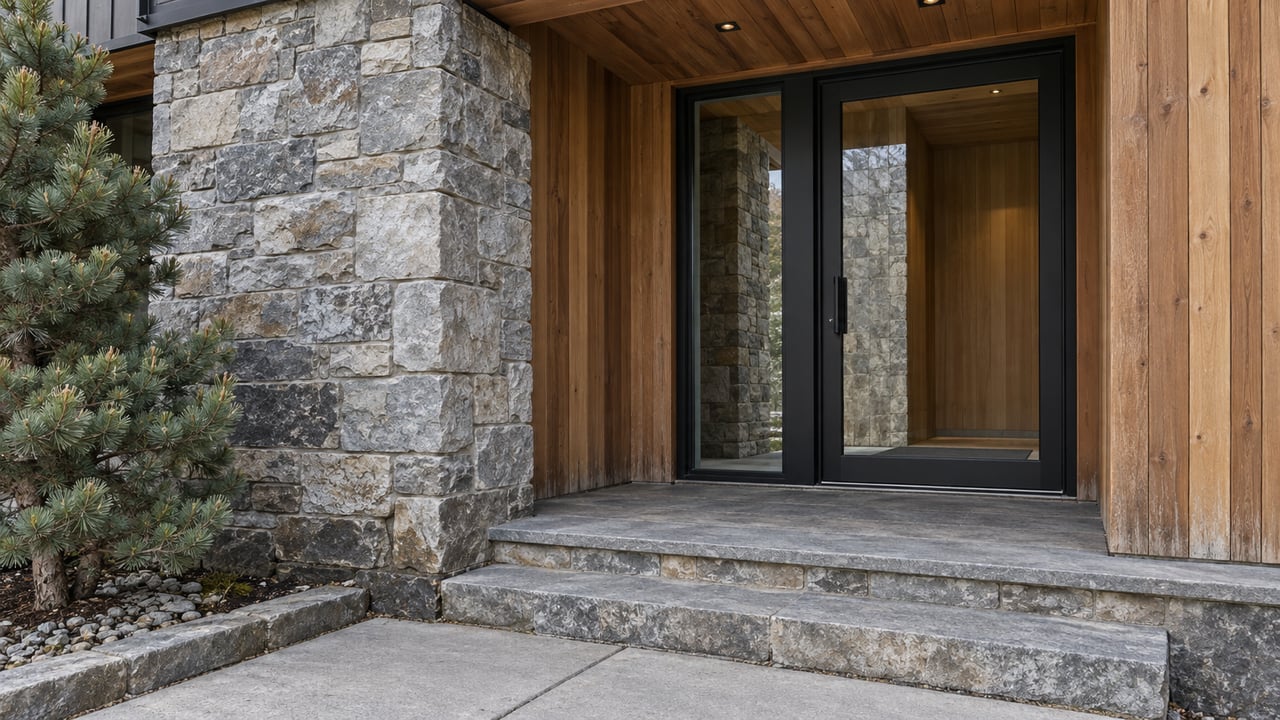
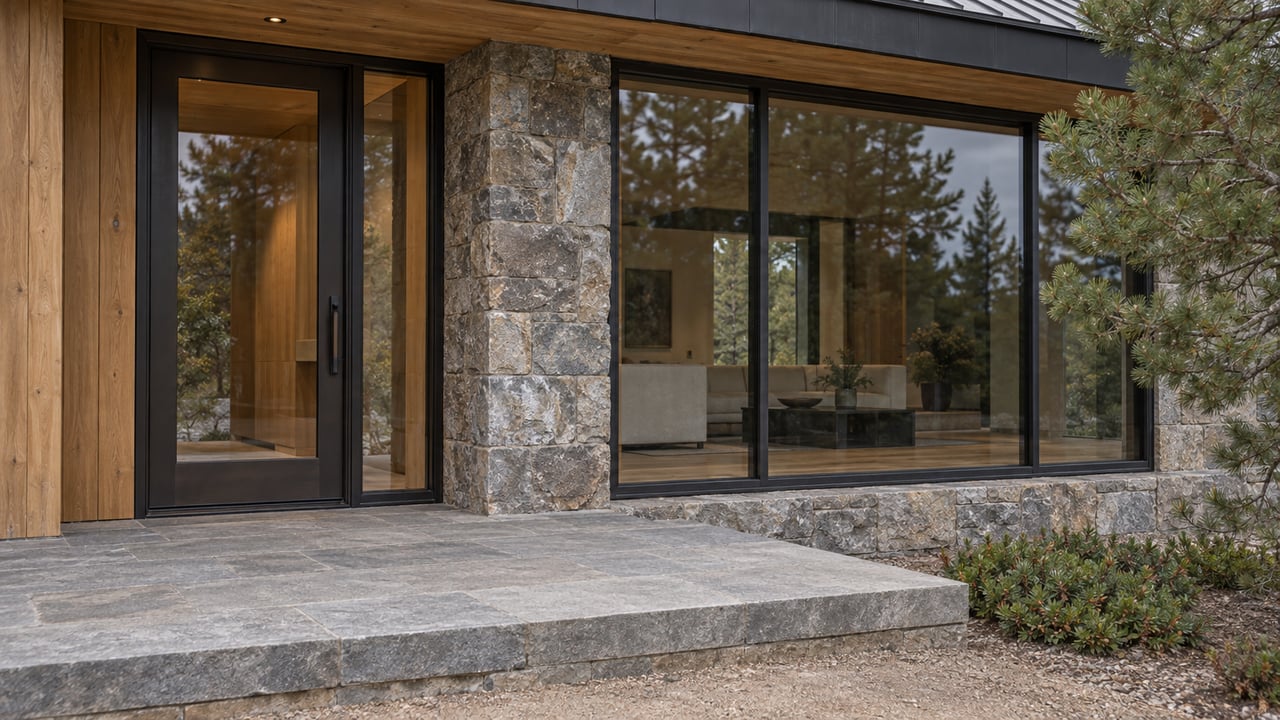
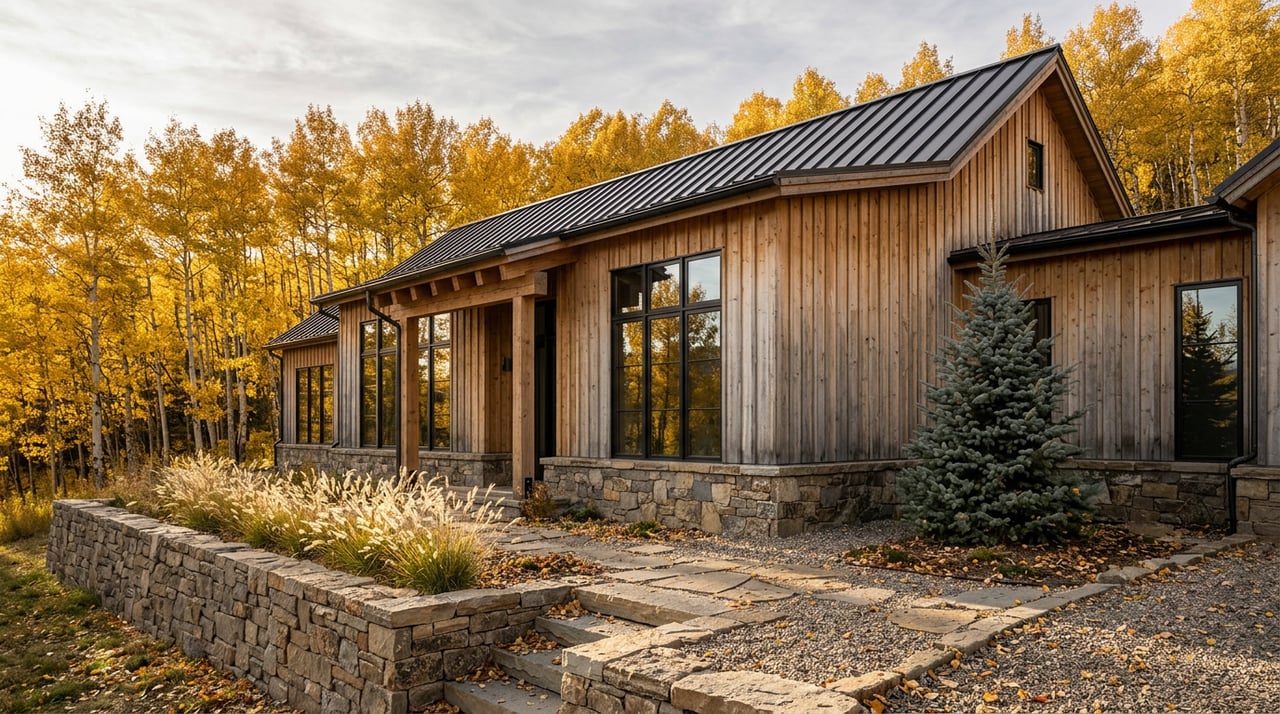
Aldasoro Ranch is a large‑lot, mountain community where design controls help protect scenic character, habitat, and property values while allowing custom architecture. You should expect a formal architectural review, defined building envelopes, and design guidelines that emphasize materials, colors, roof form, lighting, and landscape appropriate to a high‑alpine setting. These controls aim to keep the neighborhood cohesive without stifling design.
As a buyer, your priorities usually include the predictability of approvals, how views are protected, whether fencing fits your lifestyle, and if accessory dwelling units are an option. You will also want clarity on HOA fees, reserves, and any history of special assessments. The sections below outline what to confirm in the recorded documents and with the HOA before you commit.
Architectural review basics
Most large‑lot mountain communities use an Architectural Review Committee or Board to review new homes and exterior changes. In Aldasoro Ranch, you should confirm the ARB’s authority, submittal requirements, and timeline in the recorded CC&Rs and design guidelines.
What the ARB reviews
You will likely need approval for any new home, addition, exterior remodel, major site work, and visible elements like fencing and lighting. The CC&Rs typically state that written approval is required before you apply for county permits. The ARB can often require conditions, ask for revisions, and enforce the rules if work proceeds without consent.
What to submit
Design guidelines commonly require a complete package. Expect to confirm and prepare:
- Site plan with lot lines, setbacks, building envelope, driveway, utilities, drainage, and finished grades
- Floor plans and all exterior elevations
- Exterior materials and color samples for roofing, siding, stone, and trim
- Roof profile with ridge and plate heights
- Landscape and erosion control plans
- Septic, well, and drainage details if on‑site systems are used
- Lighting plan with down‑shielded fixtures and lumen limits
- Fencing and gate details
- Construction schedule and contractor insurance/licensing
Timing, fees, and decisions
Many design manuals in similar communities target a 30‑day window from a complete submittal, though exact timing varies. Confirm any application fees, refundable construction deposits, and conditions that trigger forfeiture. Ask whether there is an appeal or variance process and if “deemed approved” language applies when the committee does not act within a stated period.
Enforcement and penalties
CC&Rs usually describe remedies for noncompliance. These can include stop‑work orders, fines, mandatory removal, or recording a lien. It is smart to review recent ARB approvals for homes similar to your plans. This helps you understand what the committee has recently allowed beyond what the guidelines say in theory.
View protections and building envelopes
View protection can be handled several ways. In mountain ranch communities, you often see a mix of recorded no‑build easements, building envelopes, height limits, and vegetation management rules that preserve sightlines. The most reliable protections are recorded on the plat or in the CC&Rs.
What to verify
- Whether your lot has a recorded view or no‑build easement and how it is described
- The exact building envelope on the recorded plat and height limits in the CC&Rs
- Vegetation rules that affect planting, screening, or thinning
- Whether ARB guidelines allow regrading or tree removal to restore views and what approvals are needed
- Responsibility for vegetation maintenance near view corridors and how costs are handled
Wildfire‑mitigation rules may influence vegetation and screening. Ask how defensible‑space requirements interact with any view or screening standards so you are not caught between two obligations.
Fencing and wildlife‑friendly design
Rural mountain HOAs often encourage low‑visibility, natural fencing that fits the landscape and allows wildlife movement. Solid privacy fences or visible barbed wire are commonly discouraged or prohibited, especially along roads or community spaces.
What to check before you build
- Permitted fence types such as split‑rail, post‑and‑rail, or wildlife‑friendly post‑and‑wire
- Maximum fence heights, setbacks from property lines, and any limits near driveways or roads
- Wildlife‑friendly requirements such as rail spacing and smooth top or bottom wires
- Rules for livestock enclosures and whether screening or additional permits are required
- Gate approvals for shared driveways and emergency access standards
- Owner maintenance requirements and approved finishes
If animals or privacy are important to you, confirm whether cross‑fencing or screening is allowed and where. Unauthorized fencing is often subject to fines and removal, so it pays to get ARB approval in writing.
ADUs: two layers of approval
Accessory dwelling units can add flexibility for guests, caretakers, or long‑term family needs. In rural Colorado, ADUs involve two distinct approvals: the HOA’s rules and San Miguel County’s building and health permits.
HOA considerations
- Whether ADUs are expressly permitted, restricted, or prohibited by the CC&Rs
- Size, location, and design standards relative to the primary home
- Requirements to stay within the building envelope and height limits
- Parking, driveway access, and whether separate meters or addresses are allowed
- Rental and occupancy rules, including any short‑term rental limits
County and utility considerations
- Septic and well capacity for multiple bedrooms or units
- Health department approvals for new or expanded on‑site systems
- Building permits, inspections, and fee impacts
If ADUs are allowed in principle, the practical bottleneck is often septic and well capacity. Get clarity from both the HOA and county before you design and price an ADU into your plans.
HOA fees and financial health
Understanding dues, reserves, and assessments helps you anticipate long‑term costs. Large‑lot communities may have substantial private road maintenance, snow removal, and common‑area obligations.
What dues often cover
- Road maintenance, snow removal, and dust control
- Common‑area landscaping and signage
- Insurance for association property and liability
- Management, legal, and accounting expenses
- Reserves for major repairs such as roads or bridges
Documents to request
- Current budget and year‑to‑date financials
- Reserve study or reserve funding schedule
- Delinquent assessment report or collection policy
- History of dues increases and any special assessments
- Insurance certificates for association coverage
- Annual meeting packet and recent board minutes related to finances
Ratios and red flags
- Little or no reserve funding for infrastructure can indicate future assessments
- High delinquency rates can stress the budget and foreshadow fee hikes
- Recent or repeated special assessments, or ongoing litigation, merit close review
Also ask about transfer and resale fees at closing and who pays them, how often dues are billed, and late penalties or interest. These details belong in the CC&Rs, resale disclosures, or the HOA’s fee schedule.
Your due‑diligence checklist
Use this list to organize your document requests and conversations with the HOA and county.
- Recorded CC&Rs and all amendments
- Recorded plat(s) showing lot lines, building envelopes, and easements
- HOA bylaws, articles of incorporation, and rules
- Design guidelines and ARB application forms
- HOA meeting minutes for the last 12–24 months and the latest annual meeting packet
- Current budget, financial statements, and reserve study or schedule
- Association insurance policies
- Fee schedule, including transfer or capital contribution amounts
- Management contract and current HOA contact details
- Disclosure of any pending litigation or claims
- Assessment delinquency report or collection policy
- Road maintenance and snow removal contracts and any utility easements
- Copies of recent ARB approvals for homes similar in scale and style to your plans
- County permitting history for the lot, including septic and well permits and zoning rules
- San Miguel County GIS parcel map and legal description
When you request documents, ask for recorded instrument numbers for any easements that affect your lot, including no‑build or view easements. This makes title review cleaner and reduces surprises later.
Where to verify information
Public records and official filings are your best sources of truth. If you cannot find an HOA website, your title company or the county can help you track down what you need.
- San Miguel County Recorder’s Office for recorded CC&Rs, plats, and easements
- San Miguel County GIS/parcel viewer for plat references and envelopes
- San Miguel County Community Development and Building/Health for zoning, septic, well, and permit history
- Colorado Secretary of State for the HOA’s nonprofit filings and registered agent
- Colorado Common Interest Ownership Act guidance for owner rights and disclosures
- Community Associations Institute materials for general best practices and education
- Local title company or real estate attorney for covenant interpretation and encumbrance review
Practical tips for buyers
- Read the recorded plat before you design. Building envelopes and no‑build zones guide everything else.
- Ask for recent ARB approvals. They reveal how the committee applies the rules today, not just how they are written.
- Plan site visits with your architect. Walk view corridors, topography changes, and existing vegetation so your massing and heights respect both views and the landscape.
- Confirm ADU feasibility on both fronts. HOA permission plus county septic and well capacity must align before you invest in plans.
- Review reserves with a road lens. Private roads and snow removal are expensive in alpine climates, so healthy reserves matter.
Work with local guidance
Buying or building in Aldasoro Ranch is a lifestyle decision as much as a real estate one. Clear approvals, view protection, and strong HOA fundamentals can make your long‑term experience seamless. If you want a thoughtful, low‑pressure advisory process backed by deep local knowledge, connect with our father‑and‑son team. We will help you assemble the right documents, coordinate with your architect and title company, and navigate the HOA and county steps with confidence.
Ready to talk through a lot or listing in Aldasoro Ranch? Reach out to Hilbert Homes for a personal consultation and local insight tailored to your goals.
FAQs
What should I expect from the Aldasoro Ranch architectural review?
- Expect a formal ARB process requiring written approval for exterior construction, with submittals that typically include site plans, elevations, materials, landscape, lighting, and construction details.
How are views protected in Aldasoro Ranch?
- View protections are most effective when recorded on the plat or in the CC&Rs as no‑build easements, combined with building envelopes, height limits, and vegetation rules stated in governing documents.
Are accessory dwelling units allowed in Aldasoro Ranch?
- ADU feasibility depends on both HOA rules in the CC&Rs and county approvals for building, septic, and well capacity; confirm all requirements before designing an ADU.
What fencing types are typically permitted in mountain ranch HOAs like Aldasoro?
- Communities often allow split‑rail, post‑and‑rail, or wildlife‑friendly post‑and‑wire fencing and discourage solid privacy fencing or visible barbed wire, especially along roads.
What HOA fees should I budget for in Aldasoro Ranch?
- Dues commonly support road maintenance and snow removal, management, insurance, common‑area care, and reserves; request the current budget, reserve study, and fee history for specifics.
How do I verify the Aldasoro Ranch governing documents?
- Obtain recorded CC&Rs and plats from the San Miguel County Recorder, design guidelines and ARB forms from the HOA or manager, and confirm entity details with the Colorado Secretary of State.
What are common red flags in HOA financials for large‑lot communities?
- Minimal reserves for roads, frequent special assessments, high delinquency rates, vague ARB authority, and any ongoing litigation are warning signs that warrant deeper review.