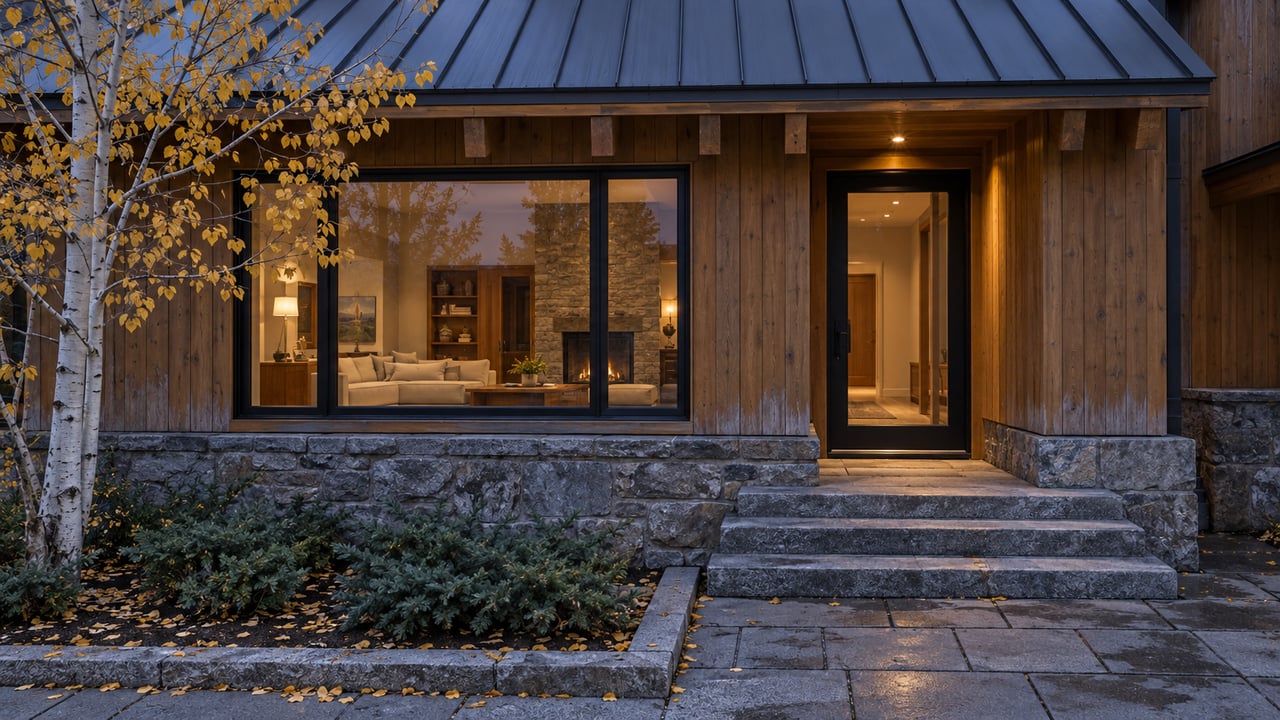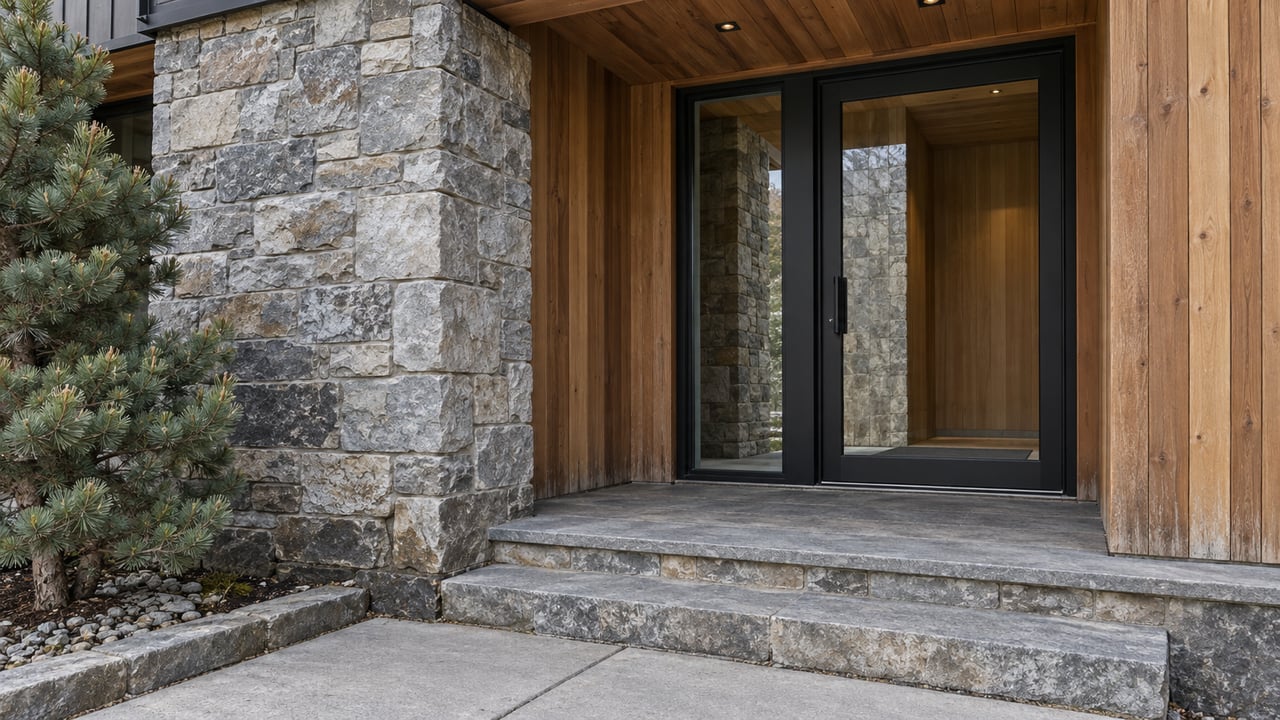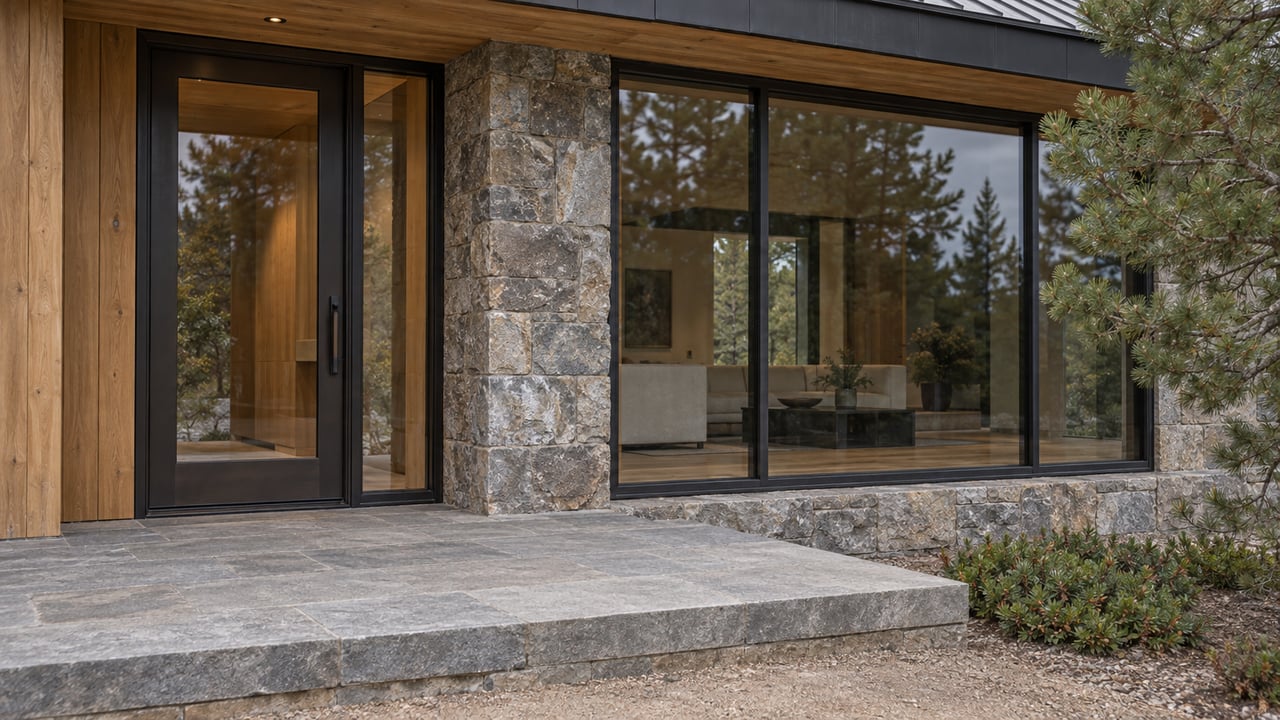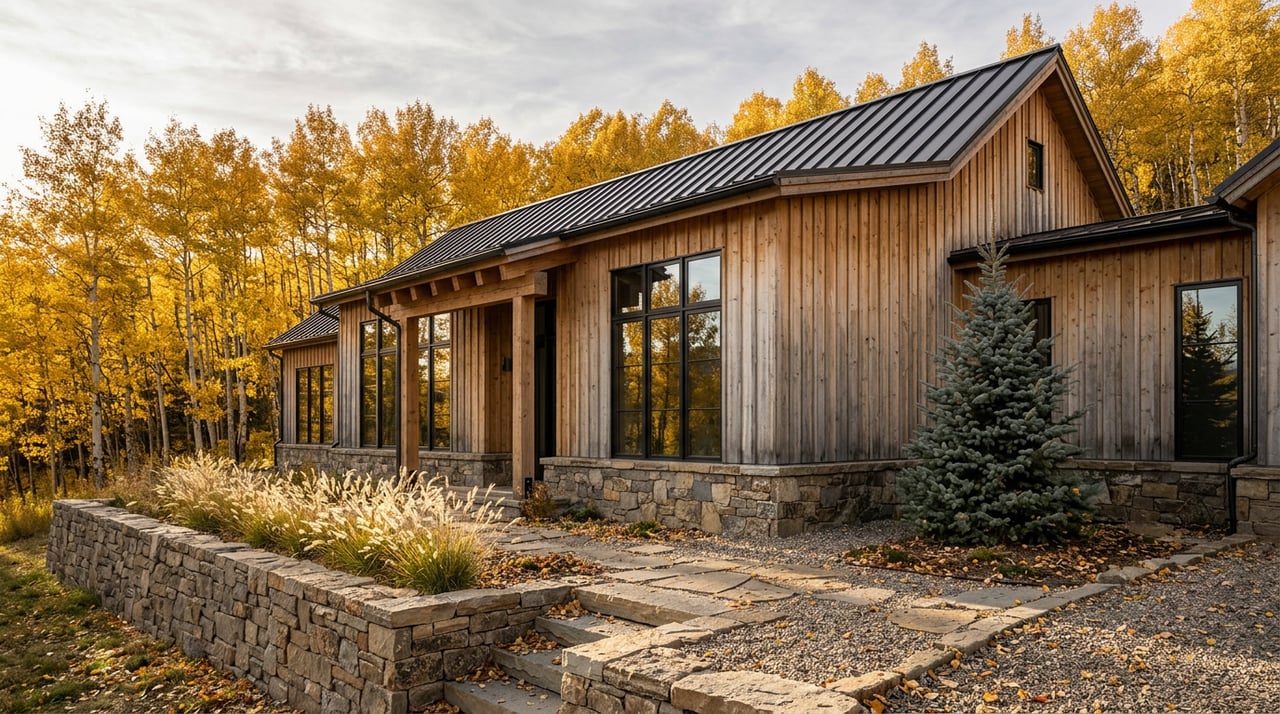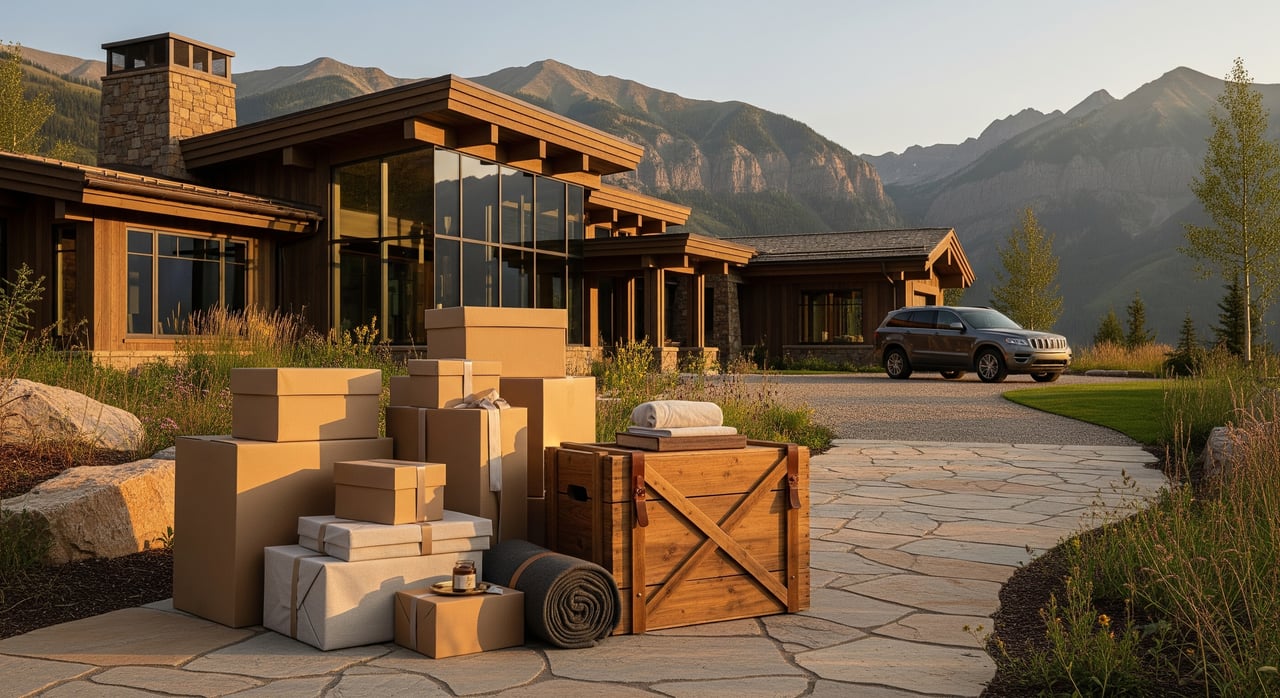
Trading Sunnyside’s coffee walks and city energy for Telluride’s peaks and gondola views is a big shift in the best way. You are not just changing neighborhoods. You are changing elevation, pace, and how you plan your days. In this quick guide, you will learn the key differences, what to expect on housing and timelines, how to prepare for altitude and winter, and how to structure a smart scouting trip. Let’s dive in.
Big picture: what changes
Travel and access
From Denver to Telluride, you are looking at roughly 320 to 350 miles by road. Typical drive time ranges from about 6.5 to 8 hours depending on route, traffic, and weather. Mountain conditions can add time, so check current road status during winter and spring.
If you fly, Telluride Regional Airport offers limited, seasonal commercial service. Most buyers use Montrose Regional Airport, which is about 60 to 75 miles away and roughly a 1 to 1.5 hour drive to Telluride. Flight schedules vary seasonally.
Elevation and acclimation
Sunnyside sits near Denver’s 5,280 feet. The town of Telluride is around 8,700 to 8,800 feet. That 3,400 to 3,600 foot jump matters. Some people feel mild altitude symptoms in the first 24 to 72 hours, like headache, shortness of breath with exertion, fatigue, or sleep changes. Most improve with rest and hydration. If you have cardiopulmonary conditions, talk with your physician about prevention strategies before your visit.
Community and pace
Sunnyside offers a dense, walkable urban neighborhood with year-round services and many transit options. Telluride is a small mountain town with a seasonal tourism economy. You will find a slower pace, a deeper focus on outdoor recreation, and fewer big-box services. Many homes are second or vacation properties, and full-time residents form a small, tight community.
Housing in Telluride: what to expect
Home types and features
Expect a range that includes mountain cabins, ski condos, townhomes, single-family homes, and luxury chalets. Inventory is smaller in absolute numbers than in Denver neighborhoods. Many properties feature mountain-style construction and terrain-driven layouts. Steep driveways and winter maintenance are common. Some homes rely on wells and septic systems rather than municipal utilities.
Market tempo and pricing dynamics
Resort markets like Telluride typically have higher median prices and a wider spread, from modest cabins to multi-million-dollar estates. Inventory is limited, and buyer interest can be strong, including second-home and out-of-state buyers. Seasonality matters. Activity often peaks in winter and again in late spring and summer, which can affect both selection and competition.
Financing and inspections that matter
At higher price points, jumbo financing is common. Lenders may apply different criteria for second homes or properties with wells and septic systems. Remote appraisals and underwriting can extend timelines. Plan for specialized inspections that reflect mountain conditions:
- Well and water quality testing, plus septic inspections
- Roof integrity and structure with snow load and ice dam risks in mind
- Heating systems, including propane, wood, or forced air performance
- Access and easements, especially on private or steep roads
- For condos or HOAs, review reserve studies and snow removal policies
Confirm road maintenance responsibilities and winter accessibility before you commit.
Regulations, taxes, and rentals basics
Property taxes and local assessments
Colorado uses a statewide mill structure, but effective taxes vary by county and valuation. In resort communities, higher assessed values are common. If you plan to rent, be aware that local sales and lodging taxes can apply to short-term rental income.
Short-term rentals: verify first
Short-term rental rules vary by town and county. Licensing, occupancy limits, or caps may apply, and rules can change. If renting is part of your plan, verify current Telluride and San Miguel County ordinances and enforcement policies before you buy.
Everyday life: services and logistics
Healthcare access
Telluride has local clinics and urgent care options, but specialty care is typically located in nearby regional centers such as Montrose or Grand Junction. If you rely on specialists, map travel times and ask about telehealth availability.
Utilities and internet
Some properties use propane or wood heat and may experience different grid reliability during severe weather. Wells and septic systems require regular maintenance. Internet and cell coverage vary by location. Fixed wireless or satellite options are common in more remote areas. If remote work is important, verify actual speeds on-site.
Winter driving and vehicles
Mountain passes and local roads can see closures and steep grades. All-wheel drive or 4WD and true winter tires are strongly recommended in winter months. Expect occasional travel delays and plan for driveway plowing or snow storage on your property.
Schools and family routines
Local school districts are smaller, with different class sizes and program offerings than large urban districts. If school access and activities are priorities, plan a visit to observe daily routines and travel times.
Plan your scouting trip
A focused 2-day visit
- Day 1: Drive or fly in, then tour neighborhoods to understand micro-areas. In the evening, visit grocery stores and restaurants to get a feel for off-season pace.
- Day 2: Attend open houses or private showings. Test cell and internet reception at homes that interest you. If relevant, visit schools and clinics. Drive typical routes to gauge winter access and parking.
A deeper 4–5 day stay
- Include at least one overnight to see how you feel at altitude and to experience quieter hours.
- If possible, visit in both a peak season and a shoulder season to compare traffic, noise, and access.
On-site showing checklist
- Access and roads: driveway grade, plowing, and who maintains the road in winter
- Utilities and systems: heating type, insulation, well and septic condition
- Communications: cell coverage in multiple rooms and internet options with typical speeds
- Noise and activity: proximity to lifts, trails, and seasonal nightlife
- Services and amenities: grocery, pharmacy, gas, bank, post office, and how long it takes to reach them
- Parking and storage: snow storage, gear storage, and off-street parking
- Community context: HOA rules, full-time versus part-time neighbors, and local events
- Legal items: STR eligibility, zoning, deed restrictions, and pending ordinances
Buying timeline: Denver to Telluride
Pre-search setup
Give yourself 2 to 6 weeks for research and financing prep. Get pre-approved and choose a local agent with resort-market experience. Clarify whether you are buying for full-time, part-time, or investment use, plus your must-have amenities.
Active search
With limited inventory, you may monitor the market for weeks or months. Be ready to act quickly on the right home. Your agent can preview properties and arrange showings around your travel schedule.
Contract to close
Inspection contingencies carry extra weight in mountain properties. Schedule well, water, and septic checks, and allow time for specialty contractors. Appraisals and remote underwriting can add days. For out-of-town buyers, coordinate virtual walkthroughs and remote inspections.
Move-in and first season prep
Build in extra time for utility transfers, heating system setup and fuel delivery, and vehicle winterization. If you are moving mid-winter, line up snow removal before closing and have contingency plans for weather delays.
How Hilbert Homes helps
You deserve a calm, informed transition from Sunnyside to Telluride. As a boutique father-and-son team with long-standing local roots, we align lifestyle fit with the right property, from ski-in ski-out homes to private chalets and down-valley acreage. We help you plan efficient scouting trips, interpret HOA and access details, coordinate specialized inspections, and navigate seasonality with confidence.
Our approach is relationship-first and detail-driven, built to support second-home buyers, local families, and investors. We combine hyperlocal expertise with premium marketing and a trusted network to protect your time and your investment.
Ready to explore Telluride with a local guide at your side? Connect with Hilbert Homes for a personal consultation. Request a personal consultation and free home valuation, and let’s map your move with clarity and ease.
FAQs
How long does it take to acclimate to Telluride’s elevation?
- Many people feel mild symptoms for 24 to 72 hours and improve with rest and hydration. Full acclimation can take days to weeks. Consult your physician if you have cardiopulmonary conditions.
What are the best travel options from Denver to Telluride?
- Driving typically takes about 6.5 to 8 hours depending on route and weather. For flights, Telluride Regional has limited service, and Montrose Regional is the larger, year-round option about 60 to 75 miles away.
What inspections are uniquely important for mountain homes?
- Prioritize well and water quality, septic performance, roof and structure for snow loads, heating systems, and road access and maintenance. Review HOA reserves and snow removal if buying a condo or townhome.
Can I operate a short-term rental in Telluride?
- Possibly. Licensing, occupancy rules, and limits vary by town and county, and rules can change. Verify current ordinances and eligibility for the specific property before you buy.
Will I have access to year-round services in Telluride?
- Basic services like groceries, restaurants, and urgent care are available locally. For specialized medical care, larger shopping trips, or niche services, plan periodic travel to regional centers.
How does the housing market compare to a Denver neighborhood like Sunnyside?
- Inventory is smaller and prices are often higher in Telluride’s resort market, with strong interest from second-home and out-of-state buyers. Seasonality affects both available listings and competition.